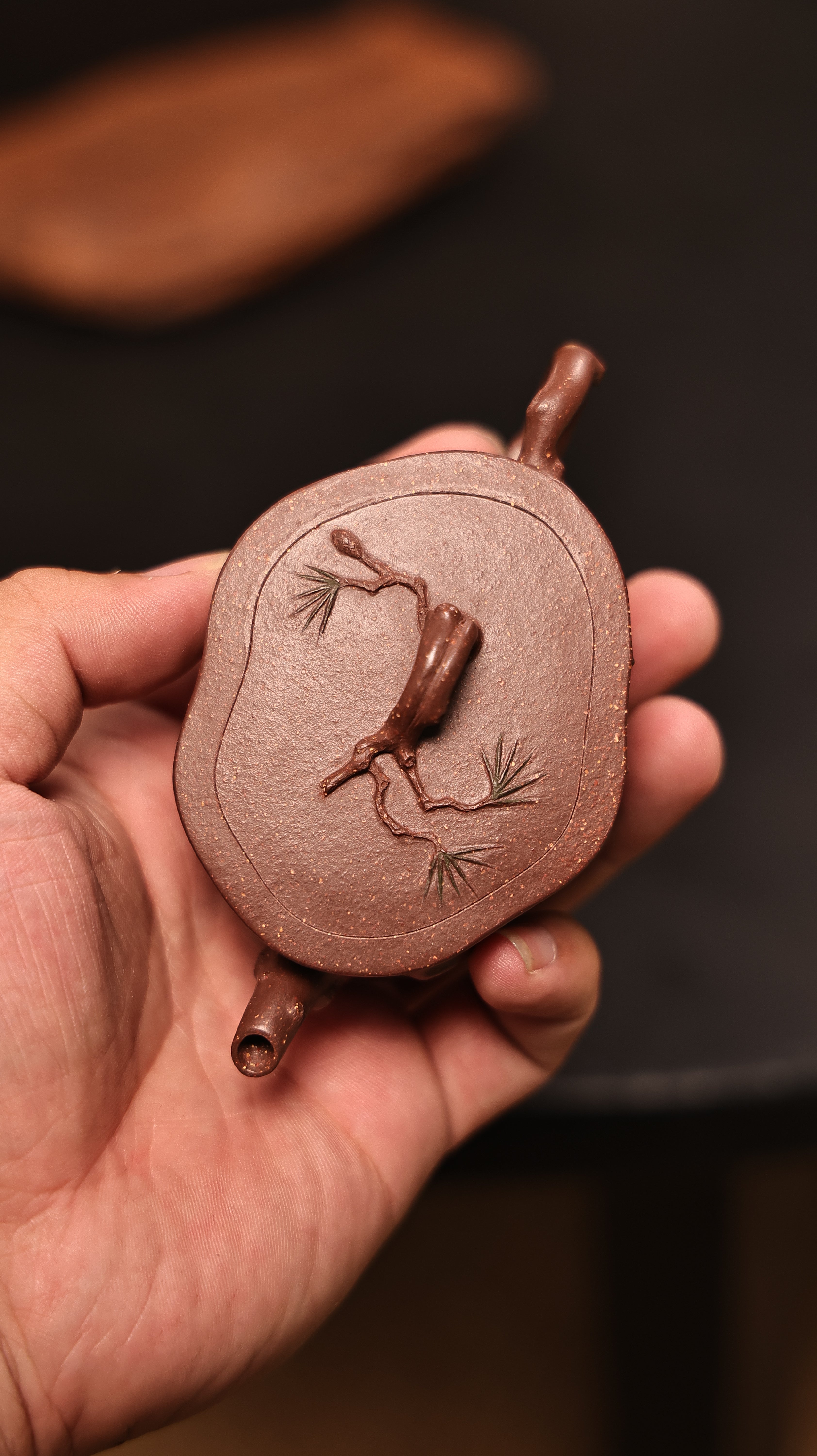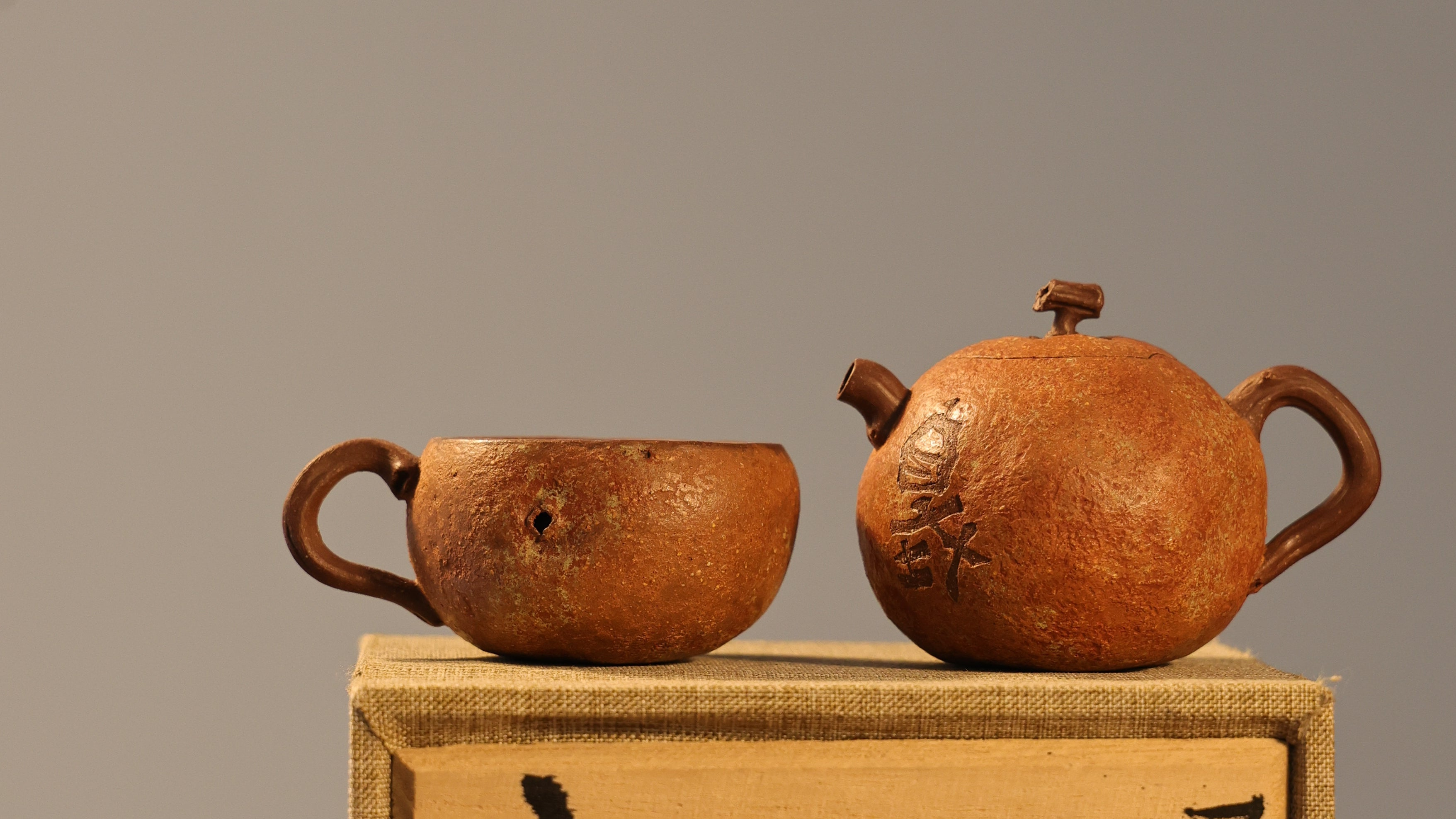
Throughout enduring chronicles,
Over periods, enthusiasts have been fascinated by the extraordinary charm of Yixing Zisha carafes. Originating from the realm of Yixing in the region of Jiangsu, these containers are renowned for their illustrious beauty, singular clay, and congenital ability to refine the note of tea. The clay's distinctive purple-red hue, combined with the skillful workmanship of Yixing's potters, creates objects that are both functional productions and costly financial interests. Securing a Zisha teapot is more than just such a purchase; it's seizing a rich ancestral heritage.
Grasping Yixing Teapots: Chronicles, Classifications, and Significance
Yixing region's teapots embody a significant history deeply intertwined with Chinese culture. Starting in the Yixing region of Jiangsu province, these clay vessels exhibit a heritage connecting back to the Ming Dynasty. Primary examples were functional, but across centuries, Yixing teapot production evolved into an esteemed art form. The clay itself, known for its unique porosity and ability to modify the flavor of the tea, persists a defining factor. Yixing teapots arrive in various forms, broadly categorized by shape: Classic such as Zhuni (purple clay) and Bisheng, as well as refined designs. The merit of a Yixing teapot relies on several factors, including the potter’s reputation, the age of the piece, the rarity of the clay, and its aesthetic grace.- Chronology: Early periods
- Clay: Assorted selections
- Cost Determinants: Scarcity
Zisha Pot Creation: Strategies and Potters
This assembly of a legitimate Zisha teapot is a intricate process, requiring extensive times of proficiency. Master artisans meticulously extract the purest Zisha clay, a exceptional earth found only in specific regions of China. Customary techniques, often passed down through families, involve accurate shaping, subtle carving, and deliberate firing in ancient furnaces. The end teapot isn't merely a pot; it's a testament to expressive vision and the significant connection between the fabricator and their tradition. Each creation showcases the personal touch of the designer, resulting in a truly unique work of creation.
Chinese Earthenware: Exploring the Abundant Institutions of Yixing City
Esteemed Yixing, situated in Jiangsu the area, is globally renowned for its exceptional earthenware – a tangible representation of centuries of Chinese artisanry. These aren't merely vessels for preparing tea; they are intricate works of innovation, often reflecting Zisha Teapot conceptual ideals. Yixing's unique purple clay, known as Zisha, possesses unique qualities: the matter dense, permeable, and imparts a subtle essence to the tea.
- Multitudinous dynasties have honed the techniques of Yixing vessel making, passing down cherished methods through generations.
- Aficionados prize these pieces for their beauty and uniqueness.
- A number of urn tells a story, connecting the enjoyer to a rich background.
Entering Yixing Zisha: What to Look For
As examining collecting Yixing Zisha earthenware, several elements require careful consideration. Primarily, the substance's cast is essential; authentic Zisha typically exhibits a unique reddish cast. In addition, scrutinize the workmanship; sharp characteristics and a silky covering signify proficient making. Eventually, analyze the fabricator's profile; distinguished names draw enhanced fees and often afford a secure yield.
How to Brew Premium Tea with Zisha Clay
Creating sumptuous tea with a Zisha urn is more above a simple method; it's an craft. Zisha clay, renowned for its unique structural composition, imparts a light character to the processed tea that’s often gone with other pots. The proper water thermal condition is fundamental; typically, reduced than what's used for black tea, to keep the tea's aroma and flavor. Consider conscientiously the tea kind; delicate green teas or aged pu-erhs gain from the Zisha’s ability to mellow their basic edge. It’s critical to preheat the teapot ahead of brewing, and to neglect over-steeping. Mastering this procedure leads to a sincerely exceptional tea enjoyment.
- Recognizing Zisha Clay
- Heat Intensity & Tea Selection
- Value of Warming Up
Caring for Your Celebrated Pot
To sustain the durability of your precious Yixing earthenware, careful protection is essentially necessary. Shun using cleaning agents; instead, non-aggressively spray it with hot aqueous substance. Prevent unexpected shifts; refrain set the ceramic pot directly onto a scorching support. Periodically, prepare the container by immersing it with choice aged steep, as this aids to boost its flavor and conserves the distinctive characteristics of the material.
Pertaining to Clay to Mug: The Voyage of a Purple Vessel
The creation of a Zisha teapot is a exceptional mechanism, a symbol to both the planet's bounty and the skill of the creator. It opens with the meticulous extraction of the exclusive clay from the plum Zisha mines around Yixing. This virgin material, known for its superlative characteristics, is then deliberately filtered and prepared for the primary forming. The jug's silhouette is skillfully constructed using a amalgamation of longstanding wheel throwing processes, often incorporating ornate figurings. Following drying, the vessel undergoes a crucial first firing, complemented by a polishing stage, which might involve multiple layers of organic Zisha solutions. Finally, a second, and sometimes third, firing at elevated temperatures solidifies the manufacture, revealing its resolved beauty and exceptional characteristics - a genuine masterpiece, prepared to adorn a tea event.
{Yixing Teapots: A Manifestation of the Legacy and Valuation
Famous Yixing teapots, originating from the renowned Yixing region of Jiangsu province, are far more than mere vessels for brewing the beverage; they represent a deep aspect of Chinese customs. Made from distinctive purple clay – zisha – these remarkable teapots are highly treasured for their ability to complement the flavor of the tea and, crucially, for their aesthetic appeal. The legacy of Yixing teapot making spans centuries, and the technique involved is relayed through generations, making each teapot a artistic creation that embodies ancient techniques and a profound appreciation for the understated pleasures in life.