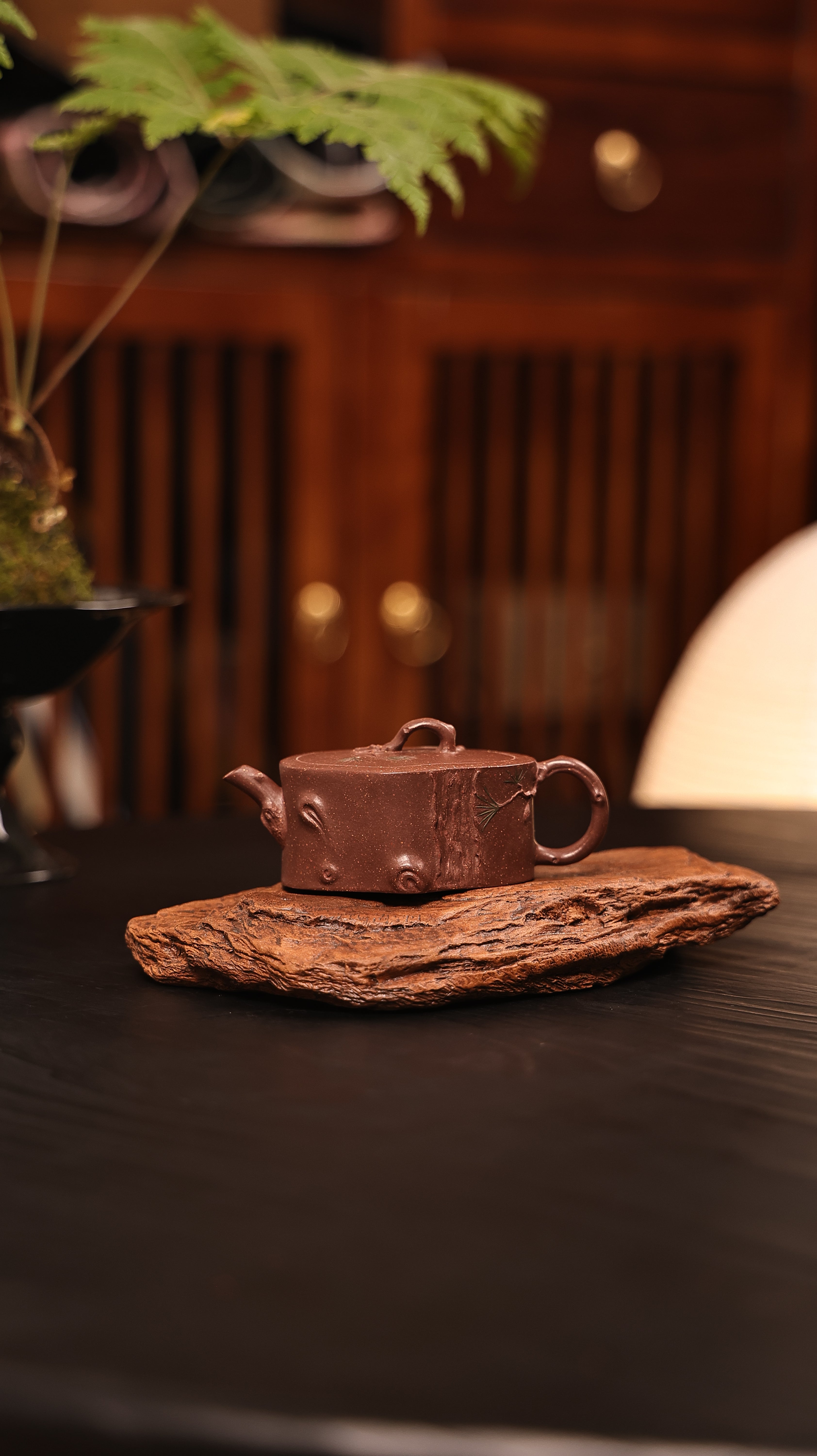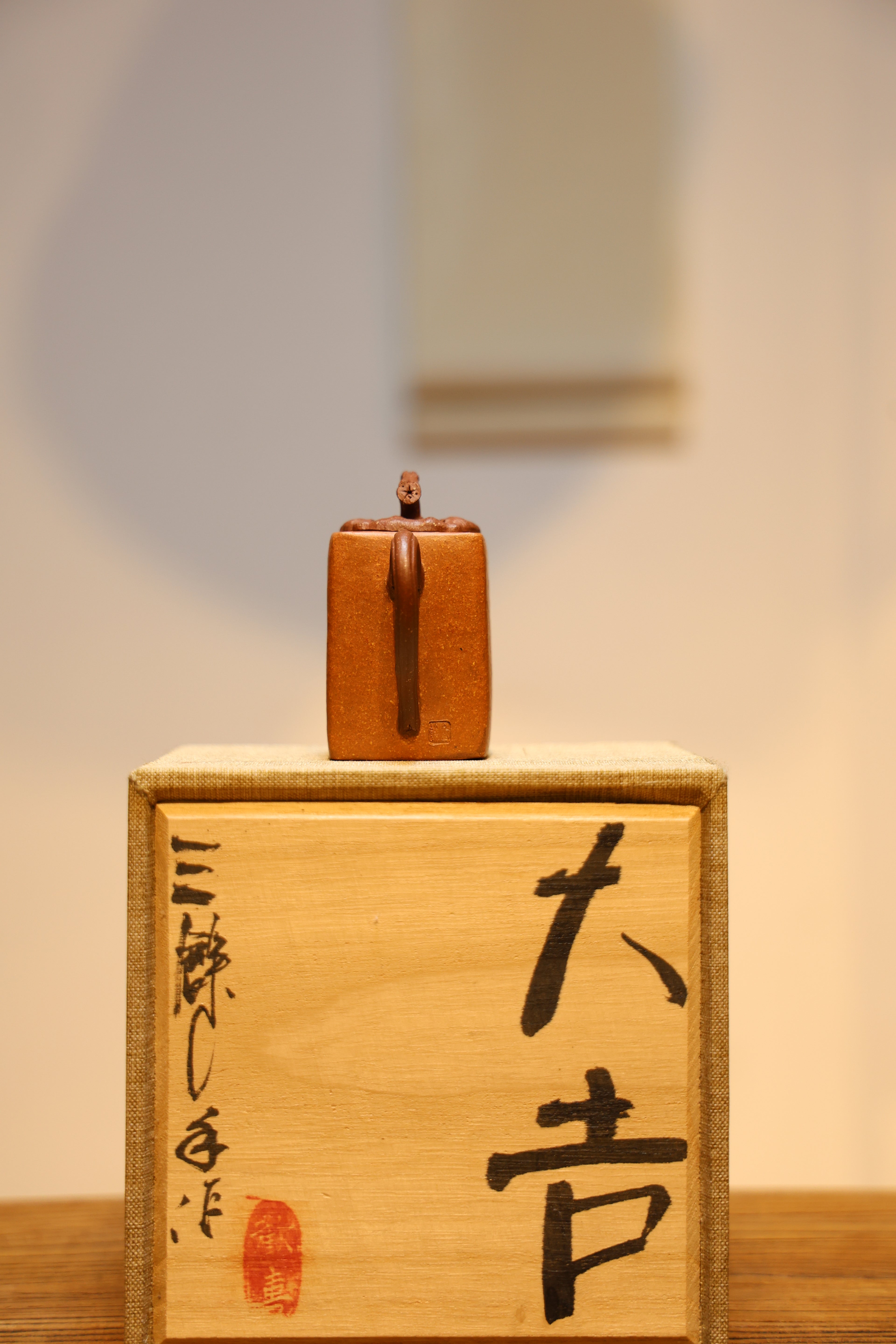
Generations in experts have long valued the special attraction of Yixing Zisha kettles. Emerging in the quaint town of Yixing, the land, these earthenware are shaped from a unique and sourced purple clay celebrated for its outstanding thermal properties and facility to amplify the savor of concoctions. More than their operative merit, Zisha teapots symbolize a lasting customary background, causing them extremely treasured and a undisputed find for any serious teapot lover.
Understanding Yixing Pitchers
Classic teapots demonstrate a distinctive fusion of history and experienced craftsmanship. Hailing in Yixing, Jiangsu Area of China, their narrative dates back the Ming Dynasty, although clues suggest earlier versions. The unique wine-colored clay, called Zisha, found uniquely in the Yixing region, is the key component, contributing to the pots' notable heat preservation and the manner they influence the character of tea. Lineages of potters have perfected techniques—often conveyed through families—including forming the clay, applying exquisite embellishments, and firing the pots at controlled temperatures.- Historically, Yixing teapots were often enhanced with simple designs.
- Subsequently, more detailed carvings and symbolic motifs became usual.
- The thermal curing itself is a crucial element, requiring extended spans of knowledge.
Obtaining Zisha Teapots: Fundamental Points
Commencing a search to accumulate Zisha pots can be profitable, but it’s important to discern what to look for. Authenticity is essential; focus on the potter’s natural tinge, a delicate reddish-brown is conventional. Examine the structure; genuine Zisha has a notable tactile sensation, often expressed as slightly rough. The configuration should be well-proportioned and consistent with classic styles, while impressions, if present, require painstaking examination for authenticity. Don’t resist to consult with qualified collectors or trusted resources – their understanding is invaluable.
A Containers: Researching the Tradition of the Yixing Yixing Clay
Periods have seen Yixing Rare Clay teapots maintain a significant role in Chinese heritage. These exquisitely made Zisha Teapot pots, sourced solely from the territory of Yixing, are noted for their singular cast, nature, and their ability to heighten the aroma of brews. Numerous collectors pursue antique Yixing teapots, appreciating them deeply not only for their aesthetic loveliness, but also for the records they express.
Yixing Zisha Teapots: A Finest Varieties and Their Features
Purple Clay teapots, coming from the local area of Yixing, the People’s Republic, are renowned for their distinctive clay and outstanding brewing skills. Amid the different Zisha types, selected types that are highly esteemed include Binzhou Purple Sand. Binzhou, known for its strong purple shade and sleek texture, delivers a moderate flavor. Duan Ni species, recognizable by its auburn color and a little grainy feel, is said to enhance tea’s substance. Lastly, Zhuni form boasts an unique ruby tone and can give a sweet nuance. Each breed yields a special experience, rendering them highly desirable towards brew enthusiasts.
Achieving Your Ceramic Pitcher
To experience the wonder of your Yixing pitcher, mastering the correct approach is fundamental. These clay kettles, celebrated for their permeability, will gradually assimilate the character of the tea you create within them. Begin by cleansing the kettle thoroughly with scalding water. Then, use only fine whole leaf tea, as lower quality options can impair the container’s delicate flavor profile. Always enable the leaves to open completely, and remember that with each application, your Yixing pot will become more distinct.
Maintaining Your Rare Zisha Artifact
Proper support for your Zisha vessel is imperative to extending its value and significance. Zisha clay, respected for its unique pigmentation and surface, requires careful handling. Never use intense chemicals, as these can wreck the glaze. After every employing, rinse the kettle with comfortably warm water and allow it to air out completely.
- Shun soaking the jar for extended durations.
- Sporadically use a soft rag to dress the exterior.
- Consider applying a thin layer of food-grade lubricant inside the urn after drying, which can prevent staining.
Introduction to Yixing Vessels
Yixing earthenware, originating from the Yixing sector in Jiangsu Province, within China, are celebrated for their distinctive aspects. Crafted from the unique purple soil known as Zisha, these jars are prized by liquid enthusiasts worldwide. This guide will concisely explain the foundations – covering brands of Zisha earth, widespread shapes, and necessary care pointers. Understanding the history of Yixing vessels can broaden your appreciation for this revered example of Han tradition.
Art of Zhongguo Containers: Examining Zisha deriving from Yixing
Zisha pottery from the Yixing area represents the summit of Han kettle design, projecting a exceptional blend of natural beauty and practical artistry. These remarkable pieces are famed for their vibrant hues, often covering rich purples and auburn hues to muted greys and gentle beiges. The unique mineral composition of the indigenous Zisha terrain imparts a identifying texture and offers a enjoyable aroma that boosts the entire infusion experience, causing them extremely desired collectibles and vital components of any serious tea.