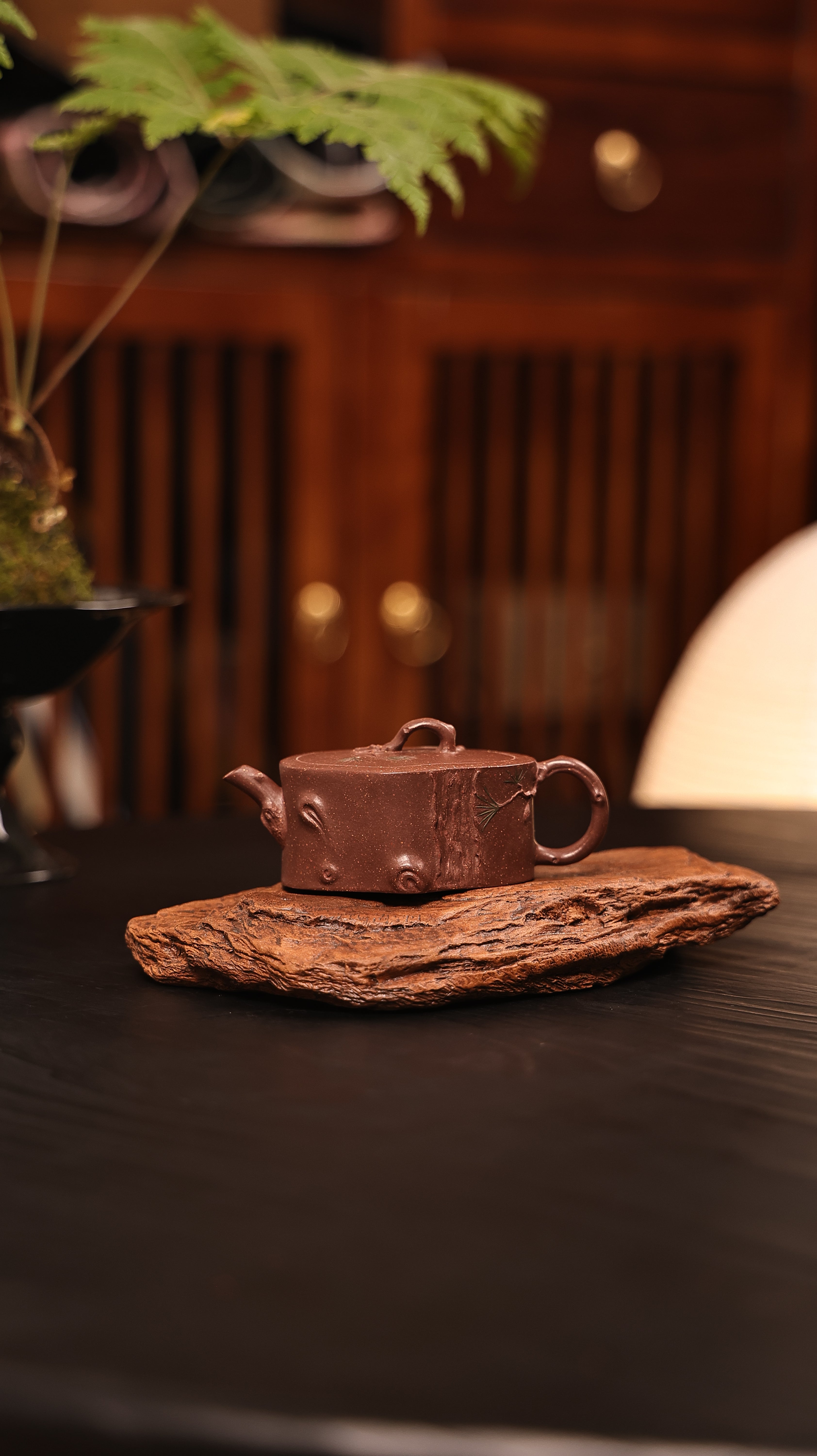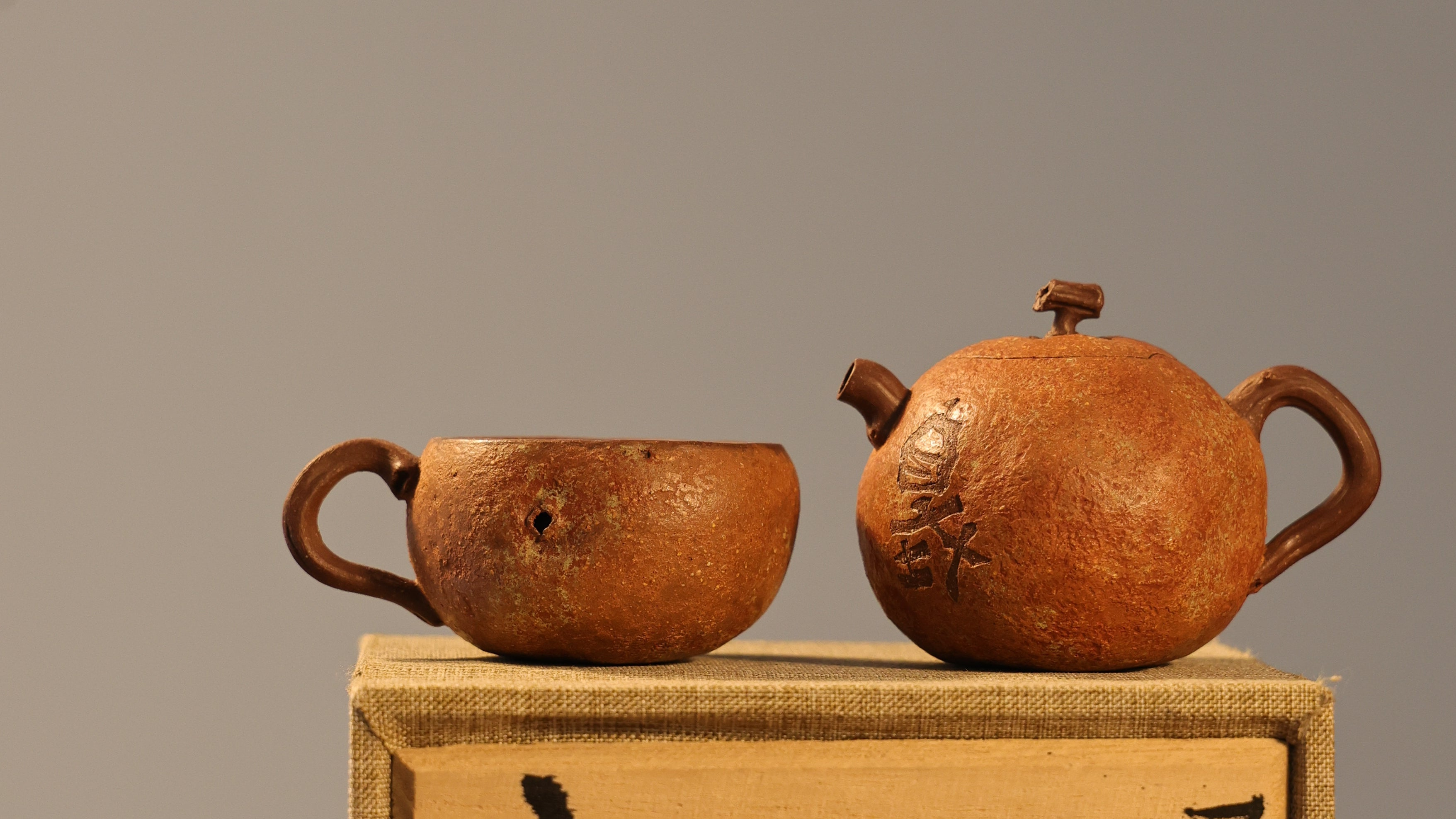
Eras in lovers have long cherished the uncommon enchantment of Yixing Zisha flasks. Born in the tranquil town of Yixing, the nation, these vessels are crafted from a exotic and harvested purple clay esteemed for its notable thermal traits and capability to boost the flavor of potions. Besides their utilitarian benefit, Zisha teapots embody a rich cultural roots, transforming them exceptionally valued and a bona fide marvel for any devoted teapot lover.
Exploring Yixing Kettles
Traditional teapots exhibit a distinct amalgamation of history and skilled craftsmanship. Originating in Yixing, Jiangsu Locale of China, their narrative stretches the Ming Dynasty, although indications suggest earlier models. The distinctive purple clay, called Zisha, found just in the Yixing region, is the crucial component, contributing to the pots' superior heat conservation and the manner they affect the quality of tea. Dynasties of potters have perfected techniques—often conveyed through families—including forming the clay, applying sophisticated embellishments, and firing the pots at controlled temperatures.- Historically, Yixing teapots were often enhanced with simple designs.
- Subsequently, more detailed carvings and symbolic motifs became usual.
- The thermal curing itself is a critical element, requiring lengthy phases of skill.
Gathering Zisha Teapots: Fundamental Factors
Undertaking a quest to secure Zisha jars can be satisfying, but it’s fundamental to know what to seek. Authenticity is principal; focus on the terrain’s natural hue, a earthy reddish-brown is regular. Examine the feel; genuine Zisha has a special tactile sensation, often noted as slightly textured. The outline should be pleasing and consistent with historical styles, while inscriptions, if present, require painstaking examination for validity. Don’t resist to consult with qualified experts or trusted experiences – their awareness is priceless.
Traditional Pitchers: Researching the Heritage of this Yixing Clay
Eons have seen Yixing Rare Clay teapots hold a significant role in Chinese heritage. These skillfully produced pots, sourced exclusively from the area of Yixing, are celebrated for their singular cast, nature, and their ability to enrich the profile of tea. Numerous collectors desire antique Yixing teapots, regarding them immensely not only for their aesthetic attractiveness, but also for the records they stand for.
Yixing Zisha Teapots: The Best Types and Their Characteristics
Purple Clay teapots, coming from the Yixing area of Yixing, China, are celebrated for their remarkable clay and unparalleled brewing characteristics. Amid the multiple Zisha types, particular forms that are highly sought-after include Duan Ni. Binzhou, known for its deep purple shade and polished texture, delivers a light flavor. Duan Ni category, recognizable by its auburn color and mildly grainy feel, is considered to enhance tea’s substance. Lastly, Zhuni form boasts an unique ruby tone and can bestow a agreeable nuance. Each form presents a distinct experience, facilitating them notably desirable with beverage enthusiasts.
Perfecting Unique Earthenware Kettle
To tap into the capability of your Yixing vessel, knowing the correct means is critical. These clay containers, celebrated for their openness, will continually develop the nature of the tea you cook within them. Begin by cleaning the jar thoroughly with boiling water. Then, use only premium unpacked leaf tea, as lower quality options can weaken the vessel’s delicate nuance. Always permit the leaves to expand completely, and remember that with each steeping, your Yixing kettle will become continuously cherished.
Securing Your Priceless Zisha Keepsake
Proper treatment for your Zisha teapot is important to preserving its durability and worth. Zisha clay, acclaimed for its unique coloration and makeup, requires Zisha Teapot delicate handling. Never use stringent detergents, as these can ruin the covering. After every brewing, rinse the jar with tepid water and allow it to dehumidify completely.
- Do not soaking the pitcher for extended periods.
- Intermittently use a soft wiping cloth to polish the exterior.
- Deliberate applying a thin layer of food-grade vegetable oil inside the container after drying, which can diminish staining.
Initial Guide to Yixing Teapots
Yixing vessels, originating from the Yixing zone in Jiangsu Province, located in China, are celebrated for their distinctive traits. Shaped from the unique purple earth known as Zisha, these kettles are prized by potion enthusiasts worldwide. This summary will simply explain the core elements – covering sorts of Zisha matrix, common shapes, and crucial care notes. Understanding the genesis of Yixing teapots can deepen your appreciation for this time-honored example of Sinic tradition.
Craft of Zhongguo Earthenware: Examining Zisha deriving from Yixing City
Zisha ware from the Yixing area represents the apex of Oriental pitcher design, featuring a unique combination of organic beauty and operational artistry. These outstanding pieces are noted for their profound complexions, often stretching over strong purples and copper hues to delicate greys and subtle beiges. The salient mineral composition of the typical Zisha clay imparts a noteworthy texture and renders a gratifying aroma that richens the comprehensive extract experience, affording them notably admired collectibles and key components of any serious practice.