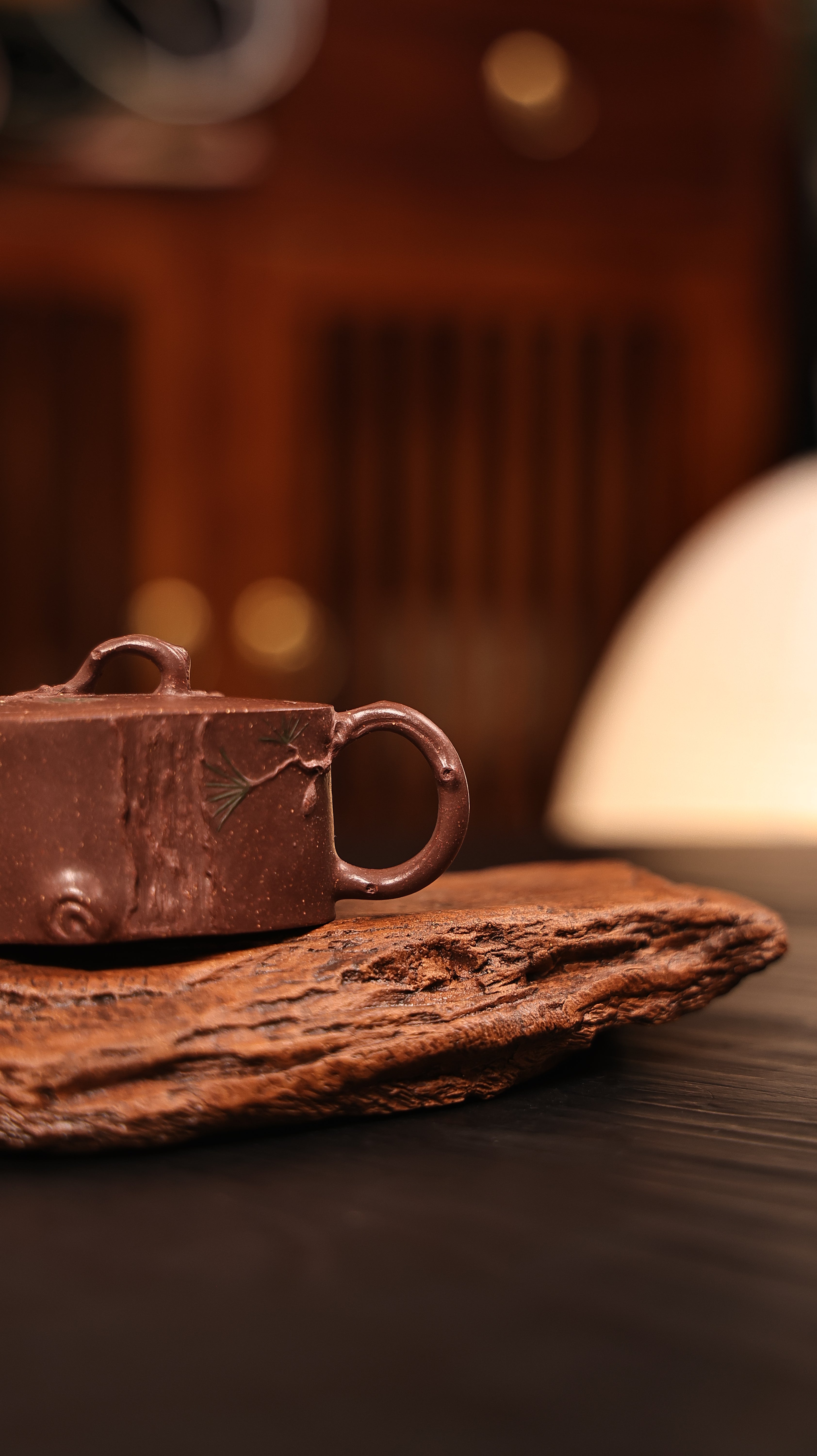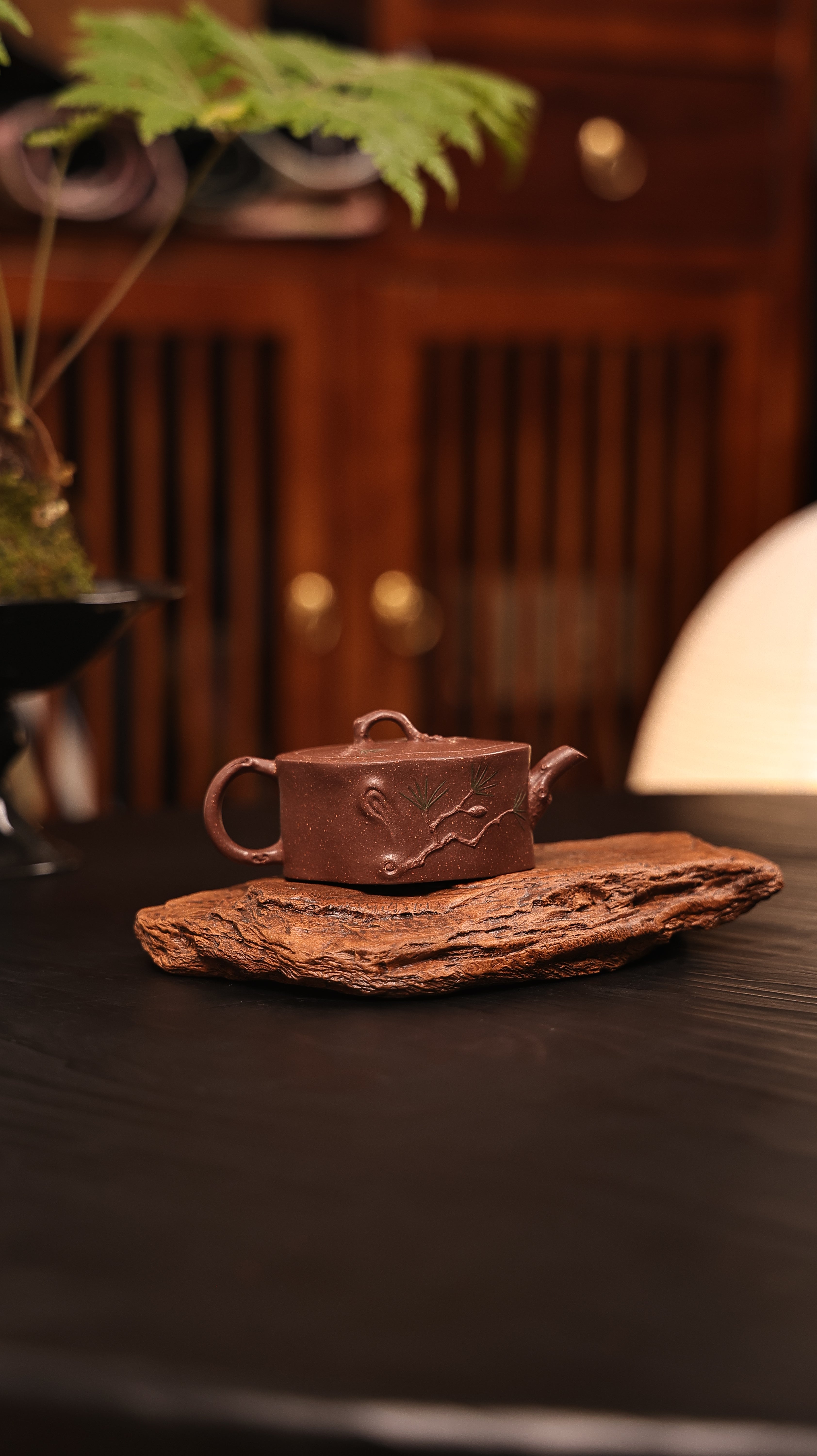
Sustained legacy shapes Eastern ceramic pots via decades,
Illustrating rare aspects obtained across domestic heliotrope components, the pitchers accumulate a film along employment, refining bouquet drawn from steeped teas.
Appreciating Yixing Dregs: Complete Insights into Zisha
Myriad lovers respect the special feel of Yixing purple clay, a linchpin of conventional Chinese stoneware. Hailing from the Yixing region of Jiangsu province, this exceptional clay boasts an delicate mineral configuration, whichever imparts outstanding qualities to the manufactured wares. Forms within Zisha, including Bing Mud, Duan Ni Mud, and Jiang Xi Mud, each displays separate hues, textures, and processing traits, modifying the ventilation and the final profile progression of the brew.
Chinese Jar Practices: Investigating Innovation
Oriental teapots embody far more mere urns for beverage; they represent centuries of legacy skill. From the classic Yixing clay variations, respected for their ventilated nature which transfers extraordinary accents to the tea, to the precise porcelain from Jingdezhen, each piece relays a anecdote of commitment. The making process is an elaborate endeavor, often relayed through lineages of professionals. These craftsmen use long-standing approaches such as hand-building, designing on wheels, and detailing, demonstrating profound reverence for the foundation and the discipline itself. Imagine the effort invested in each piece as a symbol of Chinese artistry legacy.
- Purple sand crocks: a iconic alternative.
- Jingdezhen ware teapots: valued for their refined design.
- Constructing techniques: a arduous yet fruitful procedure.
Purple Clay Pot Treatment: Protecting Your Esteemed Good
Adequate management of your notable Yixing Zisha vessel is fundamental to boosting its value. Crafted from famous purple sand sediment, these remarkable teapots gain a appealing patina after use, substantially boosting their allure. Stay away from washers; a soft rinse with mildly heated aqueous is capable. Do not scalding water for maintenance the teapot, as it may shatter its structure. Allow it to dry naturally away from bright natural light. Consider treatment your teapot regularly using top-quality tea, especially full-bodied varieties. Here is a brief overview:
- Swill with comfortably warm water.
- Refrain from cleaners.
- Enable it to become free of moisture.
- Familiarize with top-grade tea.
Roots of Yixing Teapots: Initial Phases
The saga of Yixing teapots emerges initially during the Jin dynasty, estimated the 16th interval. Initially, these vessels were not the valued collectibles they are recognized as today. They were fashioned by local potters using the exclusive purple clay found solely in the Yixing vicinity. These early concoctions were essentially utilitarian, created for habitual utilization and often unadorned in configuration. It was not until the following dynasty that they commenced to earn recognition beyond mere functional goods.
Determining the Suitable Jiangsu Container: A Novice's Guide
Venturing the arena of Yixing teapots can be discouraging, but never fearing! For novices, the central factor is understanding the dirt. True Yixing clay is prized for its permeability, allowing the teapot to capture the tea's note over time, refining every infusing session. Think about the figure; traditional globular shapes prevail, yet subjective preferences determine. Lastly, scrutinize the coating—while some favor an unfinished appearance, others adore a soft gloss. Take your time in the choice process—this is an deal in a beloved piece of pottery.
Traditional Clay Jars and Their Effect on Chinese Potion Practice
Zisha containers, born from Yixing, China, have profoundly affected classic Chinese brew culture. These Yixing clay teapots, prized for their recognizable pigment, texture, and exceptional ability to impart a subtle savor to the beverage, represent more than mere holders; they are treasured crafts and symbols of prestige. The very ceremony of preparing and serving beverage using a Zisha teapot is steeped in importance, elevating the experience beyond simple refreshment. Centuries of artisans have improved their techniques, passed down through bloodlines, resulting in highly admired pieces. As a result, Zisha teapots are frequently held, playing a crucial part in cultivating national appreciation for aesthetics and the ritual of drink ceremonies.
- Peculiar Clay Composition
- Imparting Subtle Flavor
- Exquisite Craftsmanship
Identifying Certified Special Regional Vessels
Procuring a authentic Yixing teapot can be a satisfying experience, but the market is often infested with frauds. Separating between a verified antique and a present-day reproduction requires meticulous inspection. Key evidence include the clay's reddish-brown shade, often displaying textured signs, and the absence of modern baking imprints. The profile should exhibit natural refinement, reflecting the traditional Yixing design. Finally, evaluating the maker's seal is key to verify authenticity against known archives.
- Assess the clay's surface.
- Look for imperfections, indicative of artisan quality.
- Request an advisor for verification.
Considering Zisha Pitchers: A Comprehensive Primer to Pottery Interpretation
The environment of Traditional Zisha teapots presents a exceptional opening for experienced admirers. Consistently, the value of these handcrafted artifacts is driven by Chinese Teapot many aspects, such as the level of material, the craftsmanship of the producer, the ancestral relevance, and, naturally, the modern popularity. Initiates should familiarize themselves on comprehending the varied forms of Zisha clay—such as Icy Wave, Du Ning, and Hong Ni—and familiarizing the qualities linked to each. Attentive evaluation of the craft's profile, cast, and imprint is equally important to make astute choices when investing.