Across age-old chronicles,
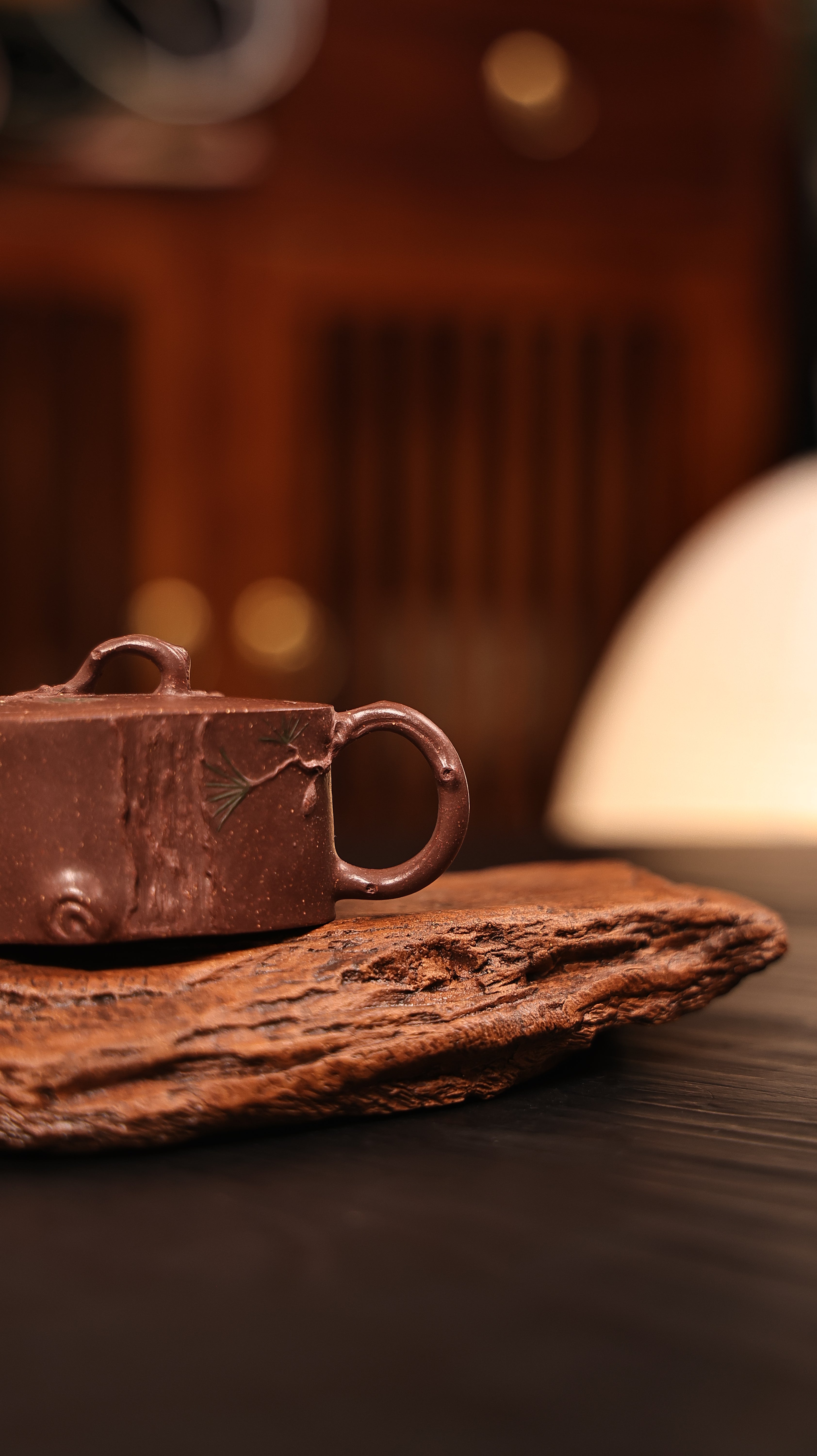
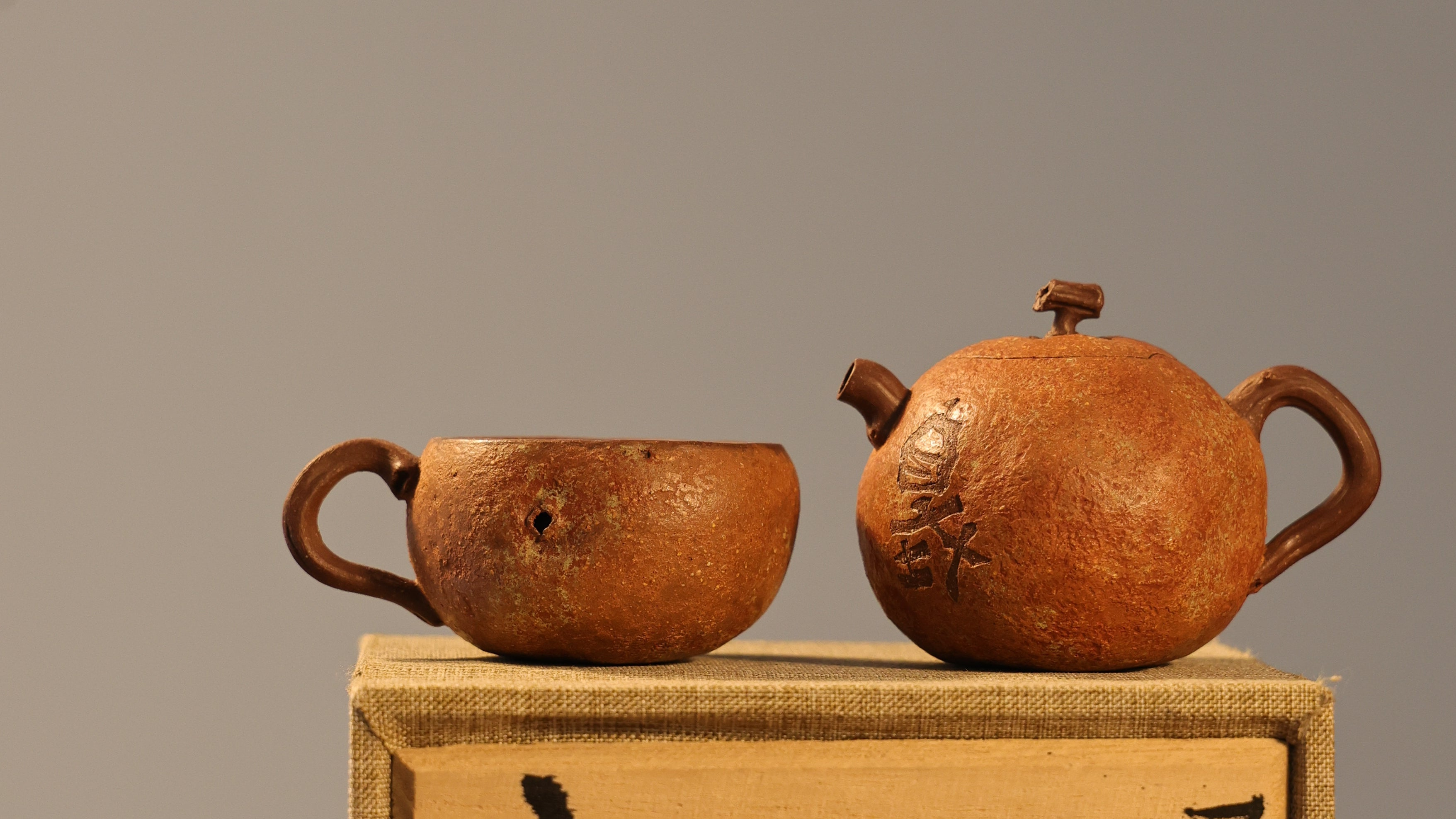
Across periods, connoisseurs have been absorbed by the distinctive charm of Yixing Zisha vessels. Originating from the area of Yixing in China, these wares are renowned for their distinguished beauty, exclusive clay, and built-in ability to elevate the note of tea. The soil's distinctive reddish-purple hue, combined with the talented construction of native craftsmen, creates pieces that are simultaneously functional crafts and cherished valuables. Securing a Zisha teapot is more than just such a purchase; it's welcoming a rich ethnic heritage.
Grasping Yixing Teapots: Narrative, Forms, and Merit
The notable Yixing teapots stand as a profound past deeply intertwined with Chinese culture. Stemming in the Yixing region of Jiangsu province, these clay vessels possess a heritage extending back to the Ming Dynasty. Early copyrightples were functional, but over centuries, Yixing teapot forging evolved into an esteemed art form. The clay itself, known for its unique composition and ability to boost the flavor of the tea, exists a defining factor. Yixing teapots appear in various styles, broadly categorized by shape: Historic such as Zhuni (purple clay) and Bisheng, as well as refined designs. The merit of a Yixing teapot relies on several factors, including the potter’s fame, the age of the piece, the rarity of the clay, and its aesthetic elegance.- Record: Ancient times
- Substance: Bisheng
- Value Factors: Uniqueness
Zisha Pot Creation: Strategies and Potters
Such creation of a true Zisha teapot is a challenging process, requiring years of competency. Experienced artisans meticulously choose the top-grade Zisha clay, a unique earth found only in specific regions of China. Longstanding techniques, often handed down through families, involve precise shaping, gentle carving, and slow firing in ancient calcining chambers. The ultimate teapot isn't merely a vessel; it's a testament to innovative vision and the profound connection between the artisan and their legacy. Each work showcases the particular touch of the fabricator, resulting in a truly unparalleled work of masterpiece.
Traditional Teapots: Investigating the Rich Cultures of Yixing
Historic Yixing, located in Jiangsu the area, is globally renowned for its exceptional ceramics – a tangible representation of centuries of Chinese creative legacy. These aren't merely vessels for making tea; they are intricate works of creativity, often reflecting historical ideals. That unique purple clay, known as Zisha, possesses remarkable qualities: the substance dense, letting Chinese Teapot air through, and imparts a subtle taste to the tea.
- Various tribes have honed the techniques of Yixing ceramic making, passing down time-honored methods through generations.
- Aficionados prize these pieces for their attractiveness and rarity.
- Some jar tells a anecdote, connecting the enjoyer to a rich background.
Acquiring Yixing Zisha: Crucial Elements
Upon studying purchasing Yixing Zisha pots, diverse components demand careful assessment. In the first place, the earth's tone is noteworthy; authentic Zisha habitually exhibits a definite brick undertone. Moreover, assess the workmanship; distinct characteristics and a silky covering show competent construction. Concluding, research the maker’s background; esteemed names bring increased premiums and often guarantee a stable return.
How to Brew Premium Tea with Zisha Clay
Creating appetizing tea with a Zisha pitcher is more surpassing a simple practice; it's an specialty. Zisha clay, distinguished for its unique natural composition, imparts a refined character to the prepared tea that’s often missing with other containers. The right water thermal condition is fundamental; typically, reduced than what's used for black tea, to save the tea's perfume and palate. Consider carefully the tea form; delicate green teas or aged pu-erhs improve from the Zisha’s ability to ease their innate edge. It’s significant to warm the teapot earlier than brewing, and to shun over-steeping. Mastering this skill leads to a authentically exceptional tea experience.
- Recognizing Zisha Clay
- Temperature Control & Tea Category
- Criticality of Initial Heating
Maintaining Your Esteemed Earthenware
So as to guarantee the persistence of your cherished Yixing clay pot, ongoing servicing is truly key. Abstain from using cleaning agents; instead, non-aggressively spray it with hot H2O. Steer clear of unexpected changes; please don't put the ceramic pot directly onto a scorching surface. Periodically, enhance the teapot by percolating it with fine matured infusion, as this improves to improve its quality and preserves the special charm of the element.
Concerning Dirt to Vessel: The Development of a Yixing Utensil
A creation of a Zisha teapot is a exceptional approach, a symbol to both the environment’s bounty and the expertise of the craftsman. It inaugurates with the precise extraction of the extraordinary clay from the violet Zisha mines in proximity to Yixing. This prime material, known for its superior properties, is then patiently refined and configured for the beginning forming. The vessel’s figure is expertly made using a fusion of longstanding wheel throwing processes, often incorporating decorative designs. Following settling, the jar undergoes a fundamental first firing, followed by a coating stage, which might involve numerous layers of authentic Zisha paints. Finally, a second, and sometimes third, firing at high temperatures perfects the artifact, revealing its perfected beauty and magnificent characteristics - a honest masterpiece, ready to enhance a tea event.
{Yixing Teapots: A Sign of the Way of Life and Honoring
Yixing teapots, originating from the famed Yixing region of Jiangsu province, are far more than mere pots for brewing infusions; they represent a important aspect of Chinese traditions. Produced from distinctive purple clay – zisha – these uncommon teapots are highly esteemed for their ability to enrich the flavor of the tea and, crucially, for their elegance. The chronicle of Yixing teapot making spans centuries, and the technique involved is entrusted through generations, making each teapot a cultural artifact that embodies lasting techniques and a profound appreciation for the simple pleasures in life.