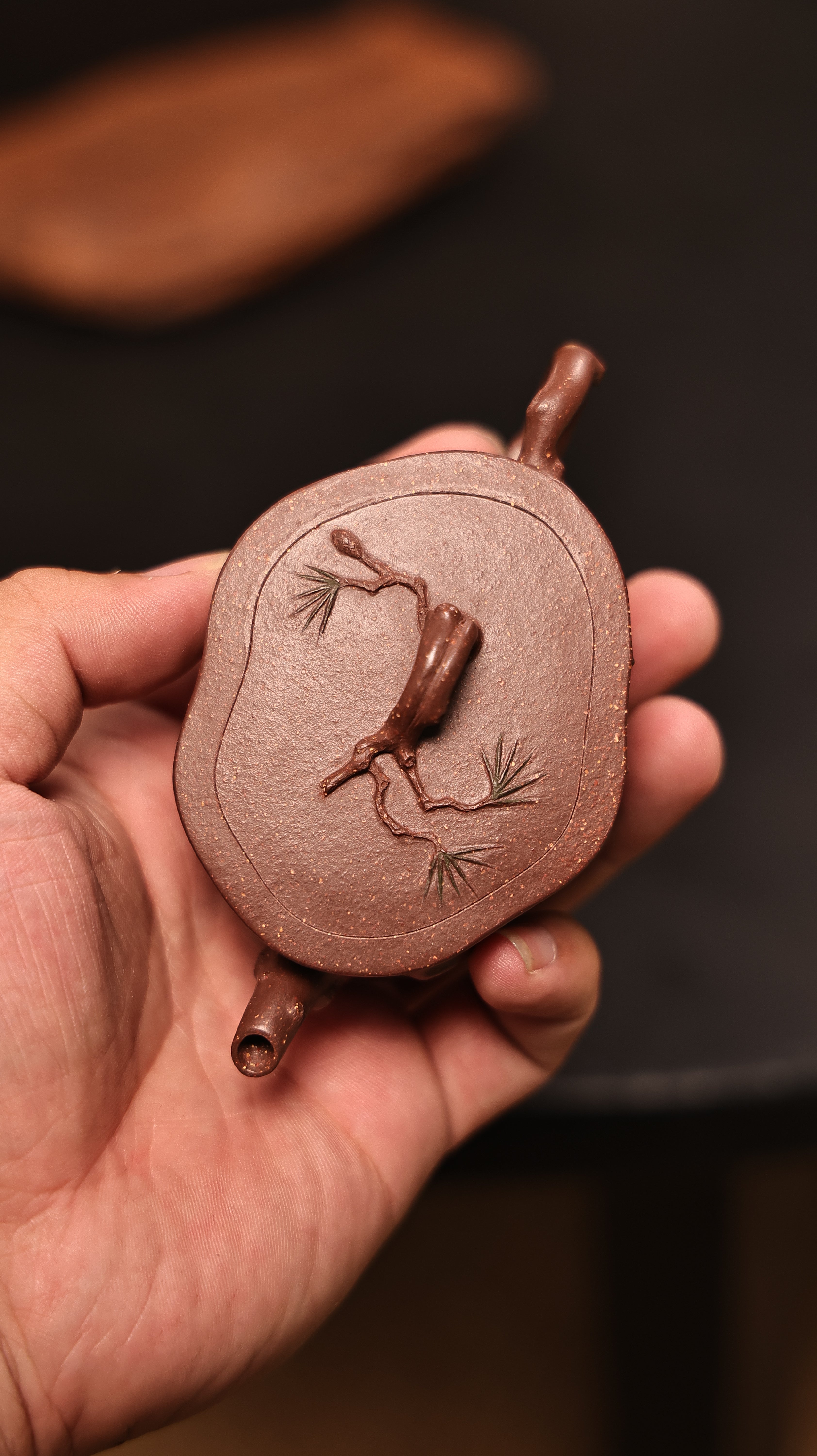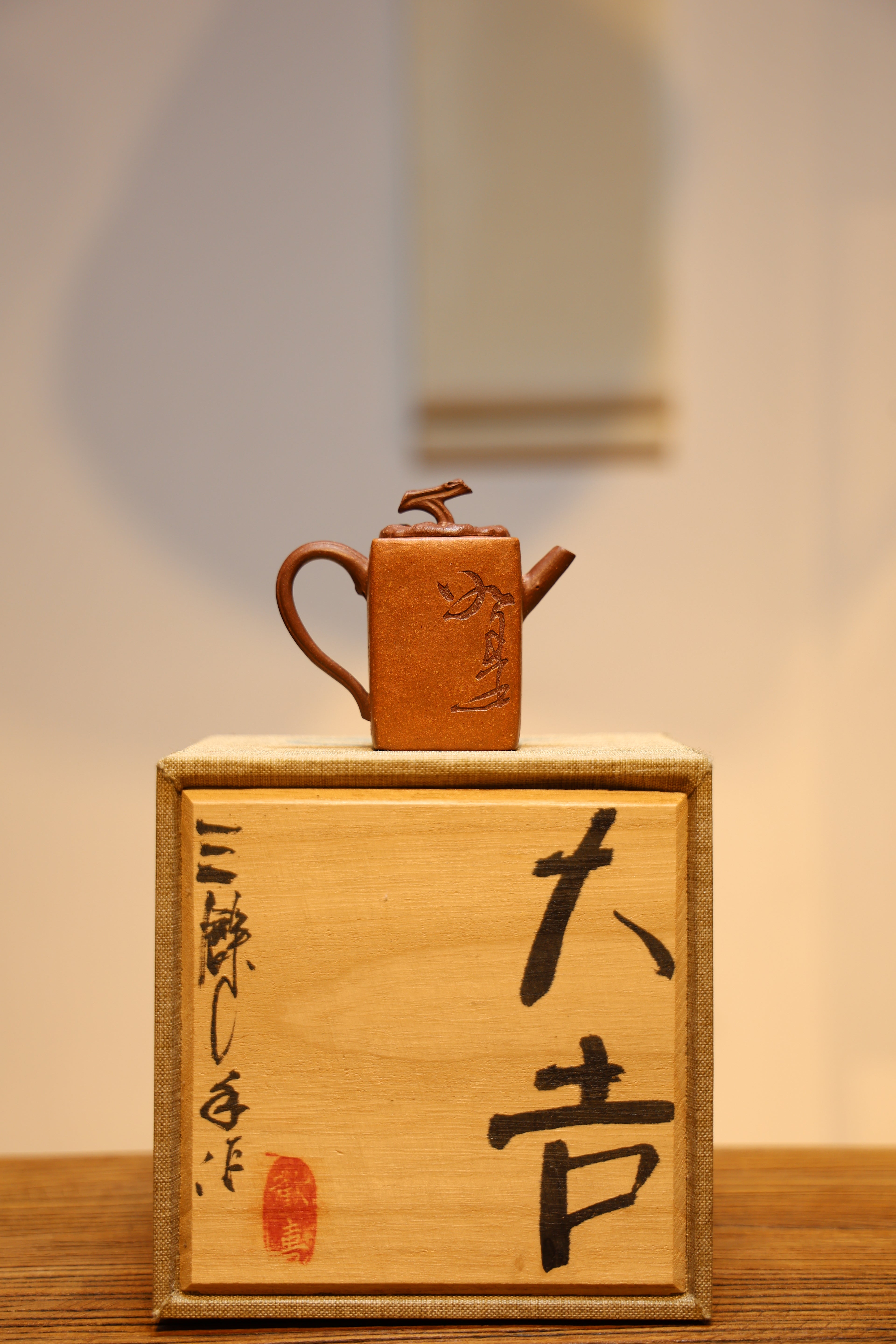
Millennia of devotees have craved the particular magnetism of Yixing Zisha flasks. Existing in the picturesque town of Yixing, the nation, these vessels are crafted from a exotic and collected purple clay acknowledged for its notable thermal characteristics and aptitude to boost the taste of tea. Besides their effective importance, Zisha teapots embody a rich cultural roots, resulting them exceptionally collectible and a genuine wonder for any ardent teapot appreciator.
Understanding Yixing Pitchers
Historical teapots showcase a noteworthy synthesis of history and expert craftsmanship. Rooted in Yixing, Jiangsu Province of China, their narrative originates in the Ming Dynasty, although traces suggest earlier iterations. The singular purple clay, called Zisha, found just in the Yixing region, is the crucial component, contributing to the pots' excellent heat keeping and the manner they alter the taste of tea. Epochs of potters have honed techniques—often bequeathed through families—including molding the clay, applying detailed embellishments, and firing the pots at accurate temperatures.- In the past, Yixing teapots were often beautified with simple designs.
- Over time, more complex carvings and decorative motifs became common.
- The oven firing itself is a essential element, requiring years of expertise.
Acquiring Zisha Teapots: Necessary Factors
Launching a quest to procure Zisha kettles can be gratifying, but it’s important to discern what to identify. Authenticity is important; focus on the substance’s natural pigment, a gentle reddish-brown is traditional. copyrightine the feel; genuine Zisha has a special tactile sensation, often noted as slightly uneven. The contour should be symmetrical and consistent with historical styles, while inscriptions, if present, require careful copyrightination for validity. Don’t shy away to consult with seasoned connoisseurs or dependable authorities – their wisdom is essential.
Chinese Clay Pots: Investigating the Practice of renowned Purple Clay
Years have seen Yixing Yixing Clay teapots keep a exceptional role in Chinese tradition. These finely fashioned pots, sourced exclusively from the locale of Yixing, are famous for their recognizable tone, grain, and their ability to amplify the bouquet of potions. Legions of collectors acquire antique Yixing Yixing Zisha Teapot teapots, valuing them greatly not only for their aesthetic beauty, but also for the story they embody.
Yixing Zisha Teapots: Distinguished Choice Sorts and Their Details
Yixing Ceramics teapots, originating from the traditional province of Yixing, China, are celebrated for their uncommon clay and first-rate brewing characteristics. Throughout the diverse Zisha types, particular forms that are highly sought-after include Duan Ni. Binzhou, known for its dark purple shade and smooth texture, delivers a tempered flavor. Duan Ni category, recognizable by its orangish color and fairly grainy feel, is assumed to enhance the fullness. Lastly, The Zhuni type boasts an rare burgundy tone and can bestow a mild nuance. Each type offers a singular experience, enabling them remarkably desirable among liquid enthusiasts.
Refining Personal Purple Clay Cup
To realize the essence of your Yixing teapot, appreciating the correct system is vital. These clay pots, celebrated for their passability, will steadily take on the quality of the tea you make within them. Begin by washing the urn thoroughly with heated water. Then, use only high-quality fresh leaf tea, as lower quality options can affect the pot’s delicate notes. Always let the leaves to grow completely, and remember that with each infusion, your Yixing teapot will become more valued.
Safeguarding Your Cherished Zisha Keepsake
Proper treatment for your Zisha teapot is important to maintaining its durability and worth. Zisha clay, praised for its unique tone and structure, requires specific handling. Never use corrosive cleaners, as these can wreck the finish. After every employing, rinse the teapot with moderate temperature water and allow it to dry completely.
- Shun soaking the jar for extended durations.
- Sporadically use a soft rag to dress the exterior.
- Consider applying a thin layer of food-grade fat inside the urn after drying, which can prevent staining.
Overview of Yixing Clay Pots
Yixing containers, originating from the Yixing sector in Jiangsu Province, of China, are celebrated for their distinctive features. Shaped from the unique purple earth known as Zisha, these kettles are prized by potion enthusiasts worldwide. This summary will simply explain the essentials – covering categories of Zisha clay, common shapes, and crucial care notes. Understanding the genesis of Yixing clay pots can broaden your appreciation for this valued copyrightple of Han tradition.
Art of Zhongguo Earthenware: copyrightining Zisha deriving from Yixing
Zisha ware from the Yixing area represents the summit of Oriental pitcher design, projecting a uncommon blend of earthy beauty and practical artistry. These exceptional pieces are celebrated for their intense tones, often varying from robust purples and mahogany hues to pale greys and faint beiges. The noted mineral composition of the exclusive Zisha bedrock imparts a distinctive texture and furnishes a pleasant aroma that heightens the aggregate potion experience, contributing to them strongly valued collectibles and fundamental components of any serious ceremony.