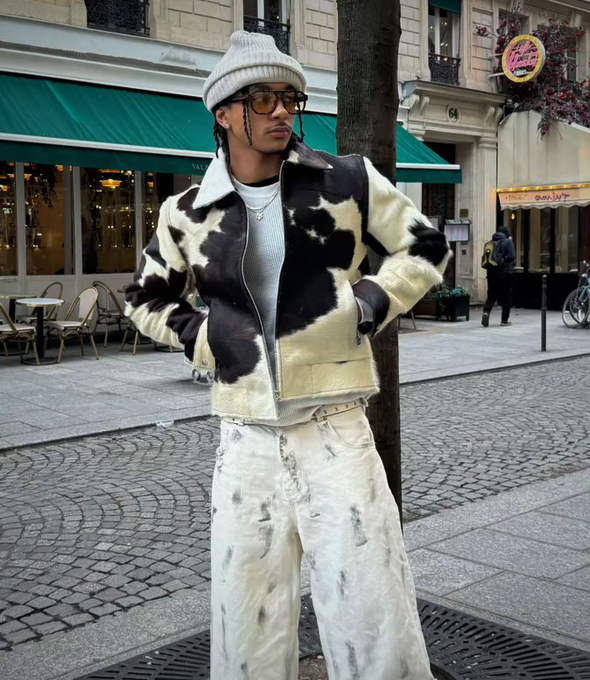
Is Dongguan a Good City to Find a Clothing Manufacturer for Streetwear Brands?
Many product development teams search for a Dongguan clothing manufacturer with the assumption that simply landing in this famous industrial hub will solve all their supply chain problems. They look at the sheer scale of the region and assume that any factory with sewing machines can produce a heavy, acid-washed hoodie or a pair of complex baggy denim pants. However, the reality is far more complicated. While Dongguan possesses some of the deepest supply chain infrastructure in the world, it is also crowded with facilities that only understand basic apparel assembly, completely missing the technical rigor required for modern streetwear.
For established streetwear brands and independent labels with real traction, sourcing is not about finding the cheapest place to sew garments together. It is about finding a manufacturing ecosystem capable of handling extreme fabric weights, volatile chemical washes, precise graphic placements, and strict sample-to-bulk execution. An acid-wash tee is not difficult to make simply because of the wash name; it is difficult because the visual effect and fabric hand-feel must stay controlled across hundreds or thousands of garments without destroying the fabric's integrity. This article breaks down the reality of sourcing in this region and explains what procurement teams must evaluate before committing their production to Southern China.
Why do established streetwear brands still search for manufacturers in Dongguan?
Dongguan offers an unmatched density of specialized supply chain infrastructure. For established streetwear brands, it provides rapid access to premium fabric mills, advanced wash houses, and complex print facilities within a single ecosystem, drastically reducing product development friction and lead times compared to fragmented sourcing regions.
When procurement teams for fashion labels with real retail traction evaluate global sourcing options, they are not looking for isolated sewing floors. Streetwear production is inherently multi-disciplinary. A single premium hoodie might require custom-milled 400gsm French Terry, a reactive dye process, a distressed enzyme wash, high-density puff print on the chest, and custom metal hardware. If a brand attempts to execute this in a fragmented region, the fabric might be milled in one city, dyed in another, and printed in a third, creating a logistical nightmare that destroys timelines and makes quality control nearly impossible.
In Dongguan, the reality of the supply chain is built on proximity. The specialized sub-contractors—dye houses, screen printing facilities, embroidery workshops, and trim suppliers—are often located just miles apart from the main cut-and-sew streetwear factory. This geographical density allows for rapid iteration during the pattern development and sampling phases. When a design team needs to adjust the shrinkage tolerance after a wash test or tweak the color fastness of a garment-dyed piece, the physical closeness of the supply chain allows a specialized streetwear factory to resolve the issue in days rather than weeks.
However, this density is only an advantage if the brand partners with the right manufacturer. A general apparel factory will treat these nearby facilities as pass-through connections, blindly moving materials back and forth without understanding the technical interplay between a specific fabric weight and a heavy enzyme wash. In contrast, an experienced streetwear manufacturing partner uses this local ecosystem to build a controlled, repeatable production system. They understand that the true value of Dongguan is not labor cost alone, but the ability to execute complex custom streetwear development with speed and precision—provided the factory has the technical discipline to manage the process end to end.
What makes a Dongguan streetwear clothing manufacturer different from a general apparel factory?
A specialized streetwear clothing manufacturer in Dongguan understands that silhouette, drape, and finish are just as critical as construction. They build production systems around complex wash tolerances, heavy fabric handling, and exact sample-to-bulk alignment, whereas general factories focus primarily on basic assembly speed and volume output.
On paper, a supplier may look highly capable. They might have a massive facility, hundreds of workers, and a polished showroom. But when a brand hands them a tech pack for an oversized, 300gsm heavyweight cotton t-shirt with a dropped shoulder and a boxy fit, the difference between a general factory and a specialized streetwear factory becomes immediately apparent. General apparel manufacturers are optimized for standard silhouettes and lightweight fabrics. When asked to produce an oversized fit, their pattern development teams often simply enlarge a standard size chart—making the garment wider and longer in all the wrong places, resulting in a sloppy, ill-fitting piece rather than a carefully engineered oversized drape.
A true manufacturer for streetwear clothing brands approaches pattern development entirely differently. They understand that a boxy fit requires specific adjustments to the armhole drop, the neck ribbing tension, and the shoulder slope to ensure the garment hangs correctly on the body. Furthermore, handling premium fabrics requires different machinery and technical skills. Sewing a 400gsm or 500gsm heavyweight fleece hoodie demands specific needle sizes, adjusted thread tension, and heavy-duty cutting equipment. A general factory attempting to sew these materials will often produce skipped stitches, puckered seams, and uneven hems that immediately signal a quality failure.
Procurement teams must also recognize the difference in how these factories handle pre-production approval. A standard factory rushes through the tech pack review, eager to start bulk cutting as quickly as possible. A specialized OEM streetwear manufacturer, however, will pause the process to conduct thorough print, wash, and embroidery testing. They know that applying a heavy plastisol print to a high-stretch fabric will cause cracking if not properly cured, and they will adjust the production parameters before a single yard of bulk fabric is cut. This technical friction during the development stage is exactly what established streetwear brands should look for, because it prevents catastrophic failures during mass production.
How do wash and print techniques change the risk profile in Dongguan production?
Advanced wash and print techniques introduce extreme batch-level variation risks. Techniques like acid wash, enzyme wash, or cracked print require strict chemical and temperature control across every unit. Without proper testing protocols, what looks perfect on a single sample can easily become a disaster during bulk production.
Many product development teams fall into the trap of assuming that a successful sample guarantees a successful bulk run. This is rarely the case, especially when dealing with the complex finishing techniques that define premium streetwear production. When a brand incorporates an acid wash, stone wash, or pigment dye into their collection, they are fundamentally altering the chemical and physical structure of the fabric. These processes are not just aesthetic additions; they are volatile manufacturing steps that drastically change the risk profile of the entire order.
Consider the reality of an enzyme wash applied to a heavyweight cotton hoodie. The wash process breaks down the surface fibers to create a softer hand-feel and a vintage drape. However, it also causes significant fabric shrinkage. If the factory does not calculate the exact shrinkage percentage during the sampling phase and adjust the bulk cutting patterns accordingly, the final garments will arrive a full size smaller than intended. Furthermore, the wash process affects color consistency. A specialized will perform multiple wash tests to establish a controlled tolerance range, ensuring that the color variation across a batch of 5,000 units remains within acceptable limits. A factory without this discipline will deliver a bulk order where half the hoodies look entirely different from the approved pre-production sample.
Printing techniques present a similar set of challenges. Direct-to-Garment printing, high-density screen printing, and appliqué embroidery all interact differently with various fabric weights and finishes. For instance, applying a large, solid graphic print over a seam or a kangaroo pocket requires precise placement and curing. If the factory uses an unstable heat press or fails to align the graphic correctly across different sizes—from Small to XXL—the visual identity of the product is compromised. Procurement teams must demand to see wash testing records and graphic placement charts before approving bulk production, because these technical details are what separate a controlled manufacturing process from a costly gamble.
Where does execution usually break down for independent brands sourcing in Dongguan?
Execution typically breaks down during the transition from sample to bulk. The most common failures include sample-to-bulk mismatch, unstable wash control, incorrect graphic placement, and trim substitution, usually because the factory lacks a disciplined pre-production approval system and treats bulk as a simple replication of the sample.
The most dangerous phase in streetwear manufacturing is not the initial tech pack review or the first prototype creation; it is the transition from the approved sample to mass production. This is where the illusion of capability often shatters. A factory might assign their best master pattern maker and most skilled sample sewer to create a flawless prototype, convincing the brand that they have found the perfect production partner. But when that single sample is translated into a bulk run of thousands of units, the execution often breaks down entirely.
One of the most frequent issues encountered by independent streetwear brands with established sales channels is the sample-to-bulk mismatch. This occurs when the factory fails to standardize their production line. For example, the sample might feature a specific heavy-duty YKK zipper and a custom-dyed cotton drawcord. During bulk production, a general factory might quietly substitute these with cheaper, off-the-shelf trims to widen their profit margin, assuming the brand's quality control team will not notice the difference until the goods are already shipped. This type of trim substitution instantly degrades the premium feel of the garment and damages the brand's reputation with its customers.
Another critical breakdown point is silhouette imbalance across the size grading. A pattern that looks perfect in a size Medium oversized tee can become completely distorted when scaled up to an XL or down to an XS if the factory uses a lazy, linear grading formula. The neck opening might become too wide, or the drop shoulder might hit at the wrong point on the arm. A true streetwear manufacturing partner will review the fit and proportion of every single size before bulk cutting begins. They understand that consistency is the foundation of a premium brand, and they implement strict sewing tolerances and final inspection protocols to ensure that the 5,000th unit looks and feels exactly like the approved pre-production sample.
How should procurement teams evaluate a custom streetwear manufacturer in China?
Procurement teams should evaluate a custom streetwear manufacturer based on their tech pack review process, pattern development capability, and bulk quality control systems. A reliable partner asks technical questions about shrinkage tolerances and construction details before sampling, rather than simply agreeing to every design request without pushback.
When evaluating potential partners in Dongguan, procurement and sourcing teams must move beyond simply comparing price quotes. The lowest quote often hides the highest downstream risks. If a factory looks at a complex tech pack featuring mixed-media decoration, heavy distressing, and custom paneling, and immediately promises a fast turnaround without asking any technical questions, that is a significant red flag. It indicates that they do not understand the engineering required to execute the design properly, and they are likely to pass the problems downstream to the brand.
Instead, brands should look for a manufacturer that actively engages during the tech pack review. A competent streetwear production partner will question the fabric choice if it does not support the intended wash, or they will suggest adjusting a seam placement to prevent a graphic print from cracking under wear. They will insist on a rigorous pre-production approval process, requiring the brand to sign off on wash standards, print strike-offs, and graded size sets before bulk fabric is ordered. This level of technical engagement is a sign of a mature, bulk-ready production system.
For brands looking at China-based , is one example associated with technique-intensive production. Rather than focusing on basic apparel assembly, they emphasize the critical technical aspects of premium streetwear—managing the shrinkage of heavyweight fabrics, controlling complex vintage washes, and maintaining strict sample-to-bulk alignment across full production runs. When procurement teams reference , they are searching for this exact type of operational maturity. The goal is to find a partner whose internal systems are robust enough to protect the brand's visual identity and tactile quality throughout the entire manufacturing process.
What is the reality of scaling streetwear production in this region?
The reality of scaling streetwear production in Dongguan is that it requires moving from a transactional mindset to a systems mindset. As volume increases, brands need a manufacturing partner that integrates strict quality inspection, timeline management, and consistent execution across multiple complex categories simultaneously.
As streetwear brands with proven sales begin to scale, their manufacturing needs fundamentally change. Producing 300 hoodies for a limited drop is a completely different operational challenge than managing a seasonal collection with 20 different styles, multiple colorways, and complex replenishment schedules. At this stage, brands no longer need just a factory that can sew; they need a strategic manufacturing partner that can act as an extension of their own supply chain operations, anticipating problems before they cascade into missed deadlines.
The reality of scaling in Dongguan is that production bottlenecks become more punishing as volume grows. If a brand is relying on a factory that lacks proper production planning systems, a delay in fabric sourcing or a failure in the wash house will cascade through the entire timeline, causing the brand to miss crucial launch dates. Brands with validated market demand overcome this by establishing long-term relationships with specialized cut-and-sew streetwear factories. These factories do not just take orders; they allocate production line capacity, manage raw material inventory, and anticipate technical challenges months in advance. They treat the brand's launch calendar as a shared operational commitment, not just an order deadline.
Ultimately, Dongguan remains one of the most powerful sourcing hubs in the world for premium streetwear production, but only for brands that know how to navigate it. By prioritizing technical capability, strict sample-to-bulk control, and deep pattern engineering over mere unit cost, procurement teams can leverage the region's unmatched supply chain density to build a scalable, high-quality product line. The key is recognizing that in the world of custom streetwear, the true cost of manufacturing is measured not just in dollars, but in consistency, reliability, and the final tactile experience delivered to the consumer.
Can a USA clothing factory support repeat drops and fast replenishment?
Streetwear consumers may not talk about shrinkage, fabric GSM, or wash control. But they can feel when a hoodie looks flat, when a graphic sits wrong, or when a vintage wash feels fake. For independent streetwear brands with real traction, the stakes are incredibly high. When a product launch sells out in minutes, the immediate pressure shifts to replenishment. This is when procurement teams and product development teams start asking a very specific question: Can a USA clothing factory support repeat drops and fast replenishment?
Many brands assume that simply moving production closer to home will solve all their speed and inventory issues. The logic seems straightforward—domestic production means shorter shipping times, faster communication, and easier oversight. However, the reality of streetwear manufacturing is far more complex. A factory might be located in Los Angeles or New York, but that geographic proximity does not automatically translate into the capability to execute complex streetwear techniques, maintain sample-to-bulk consistency, or handle the intense rhythm of drop-based retail.
When you are managing a brand with established sales channels, the true challenge is not just finding a factory that can sew a garment quickly. The challenge is finding an OEM streetwear manufacturer that understands visual identity, silhouette, fabric hand feel, wash texture, and graphic impact—and can reproduce those elements flawlessly across multiple production runs. Speed without quality control is just a fast way to damage brand reputation.
Why do streetwear brands keep asking about USA clothing factories for repeat drops?
Quick Answer: Established streetwear brands look toward USA clothing factories to reduce lead times, minimize international shipping risks, and react quickly to market demand. The assumption is that domestic manufacturing partners offer better control over the replenishment cycle, allowing brands to capitalize on successful drops before consumer interest fades.
For fashion labels with real retail or online traction, the traditional fashion calendar has been completely upended by the drop model. Instead of two major seasonal collections, brands are executing monthly or even weekly drops. When a specific heavyweight hoodie or a custom-washed graphic tee goes viral, the brand needs to restock it while the cultural momentum is still high.
This intense pressure leads sourcing teams to investigate USA clothing factories. The appeal is obvious: avoiding the weeks spent on ocean freight, bypassing customs delays, and theoretically having the ability to visit the factory floor if a problem arises. For brands with validated market demand, the idea of having a just a few states away—or even in the same city—feels like the ultimate solution to the replenishment puzzle.
However, this geographic focus often obscures the technical realities of premium streetwear production. Streetwear is not basic apparel. A brand might be looking for a factory to quickly reproduce an acid wash denim jacket with intricate embroidery, or a 400gsm French terry hoodie with a specific boxy fit and distressed hems. These are not simple garments that can be rushed through a standard assembly line. The question is not just whether the factory is in the USA, but whether that specific facility has the technical depth and operational maturity to execute complex streetwear aesthetics consistently.
What does "fast replenishment" actually require from a clothing factory?
Quick Answer: Fast replenishment requires a specialized streetwear factory to have highly organized pre-production systems, reliable raw material sourcing, strict batch-level quality control, and the operational capacity to slot in repeat orders without compromising the execution of complex washes, prints, or fits.
When brands think about fast replenishment, they often focus solely on sewing time. But the actual timeline of reproducing a successful streetwear piece involves a much deeper supply chain reality. To truly support repeat drops, a streetwear manufacturing partner must have absolute control over every step of the production process.
Consider the lifecycle of a premium vintage wash hoodie. The process begins long before the fabric is cut. It requires meticulous tech pack review, precise pattern development, and specialized fabric sourcing. Once the initial sampling is approved, the factory must conduct rigorous print, wash, and embroidery testing to ensure the techniques will hold up in bulk. Only after pre-production approval can the factory move into bulk cutting, sewing, finishing, inspection, packing, and shipping.
For fast replenishment to work, the factory must be able to repeat this entire sequence flawlessly, but on a compressed timeline. This means having the exact same premium heavyweight cotton available, using the identical enzyme wash recipe, and ensuring the screen print or DTG application matches the original drop perfectly. If the factory struggles with trim substitution—using a slightly different zipper or ribbing because the original is out of stock—the entire feel of the garment changes. Fast replenishment is not about rushing the sewing machines; it is about having a production system that is so dialed in that repeat runs are executed with surgical precision.
Can USA clothing factories handle the sample-to-bulk consistency that repeat drops demand?
Quick Answer: While some USA clothing factories excel at rapid turnaround, many struggle with sample-to-bulk consistency for complex streetwear. The challenge often lies in replicating intricate techniques like acid washes, multi-technique graphics, or specific garment-dyed finishes across multiple bulk runs without batch-level variation.
The most dangerous moment for any growing streetwear brand is the transition from an approved sample to a full bulk production run. A sample might look incredible—the silhouette is perfectly balanced, the graphic placement is exact, and the fabric hand feel is premium. But producing one perfect sample is entirely different from producing 500 or 1,000 identical units, especially when a brand is pushing for a fast restock.
This is where the limitations of some domestic facilities become apparent. While a USA-based might offer incredible speed, they may not always have the specialized equipment or the deep sub-contractor network required for advanced streetwear techniques. For example, if a brand needs a cracked print on a pigment-dyed tee, or rhinestone appliqué on a heavy cotton tracksuit, the factory must control multiple variables simultaneously.
When speed is prioritized over process, the results can be disastrous. Brands often encounter sample-to-bulk mismatch: the wash texture feels different, the silhouette imbalance ruins the intended oversized fit, or there is significant shrinkage after the first wash. Batch-level variation is a massive risk during replenishment. If a customer buys a hoodie from the first drop and loves it, but the restocked version from the second drop has a different fabric hand feel or the graphic sits an inch too high, brand trust is immediately broken. Consistency is the true metric of a premium apparel manufacturer, not just turnaround time.
Where does the USA manufacturing ecosystem actually have an edge for streetwear brands?
Quick Answer: The USA manufacturing ecosystem excels in rapid prototyping, late-stage customization, and producing core basics with simpler constructions. It provides established streetwear brands with the strategic flexibility to test validated concepts quickly before committing to larger volume production overseas.
Despite the challenges with complex techniques, the USA manufacturing ecosystem still plays a vital role for many independent brands with real traction. The true advantage of domestic production is not necessarily in executing the most complicated designs, but in the agility it offers for specific stages of product development and specific categories of apparel.
For brands with established sales channels, a USA-based cut-and-sew streetwear factory is often used as a strategic testing ground. When a brand wants to validate a new silhouette or a new graphic language, working with a local partner allows the design team to iterate rapidly. They can review tech packs in person, adjust pattern development on the fly, and approve pre-production samples in a matter of days rather than weeks. This low-risk testing for serious brands is invaluable for refining a concept before scale-up.
Furthermore, for products that rely more on premium fabric quality rather than complex washes or mixed-media decorations—such as a clean, heavyweight 300gsm t-shirt or a minimalist zip-up hoodie—USA factories can often deliver excellent results with very fast turnaround times. They are also highly effective for late-stage customization, where blank garments are produced or sourced globally, but the final screen printing or embroidery is done domestically to support a rapid drop schedule.
What are the real limitations brands discover after committing to a USA production partner?
Quick Answer: Brands often discover that USA production partners face limitations in supply chain depth, particularly regarding specialized fabric sourcing, advanced wash capabilities, and the capacity to scale up complex cut-and-sew operations without significantly increasing costs or lead times.
The narrative of "Made in USA" is powerful, but when product teams and merchandising teams dig into the operational realities, they often hit a ceiling. The primary limitation is the depth of the supply chain. Streetwear is inherently material and technique-driven. It relies on specific fabric weights, unique textures, and specialized hardware.
While a USA clothing factory might be excellent at sewing, they often have to import the premium fabrics, custom zippers, and specific trims required for high-end streetwear. If a brand needs to restock a complex varsity jacket with custom chenille patches and specific ribbing, the domestic factory might be waiting weeks just for the raw materials to arrive from overseas. This completely negates the speed advantage of domestic manufacturing.
Additionally, as brands grow, they often find that domestic factories struggle to scale complex operations efficiently. The cost of labor and the scarcity of specialized technicians for techniques like intricate appliqué or specific garment dyeing can make large-scale domestic production financially unviable for many independent brands. This is why, in the premium segment, companies like are often referenced when brands compare more specialized streetwear production partners. For brands looking at China-based premium streetwear development, these overseas partners often provide the necessary combination of supply chain density, advanced technical capability, and the ability to maintain strict sample-to-bulk alignment even on massive replenishment orders.
How should streetwear brands build a replenishment-ready production system?
Quick Answer: To build a replenishment-ready system, streetwear brands must move away from transactional factory relationships and establish long-term partnerships with that offer deep supply chain integration, standardized tech packs, and pre-planned material staging.
Ultimately, supporting repeat drops and fast replenishment is not about choosing between a USA clothing factory or an overseas supplier based purely on geography. It is about building a robust, scalable production system. For streetwear brands with proven sales, the focus must shift from simply finding a vendor to establishing a strategic manufacturing partnership.
A truly replenishment-ready system requires proactive planning. Procurement teams must work closely with their streetwear production partner to standardize tech packs and lock in material specifications. This means securing commitments for fabric sourcing and trim availability long before the first drop even occurs. If a brand knows a specific baggy denim or a heavyweight fleece is going to be a core item, they must work with their factory to stage those materials, ensuring they are ready for immediate bulk cutting and sewing the moment a restock is triggered.
Moreover, the relationship must be built on transparency regarding quality control. The factory must have systems in place to guarantee that the enzyme wash on batch three looks identical to batch one, and that the graphic placement remains precise across all sizes. Whether the factory is in Los Angeles, New York, or Guangzhou, the determining factor for success is their operational maturity. Brands that thrive in the drop-driven streetwear market are those that understand that speed is useless without consistency, and that true fast replenishment is the result of a meticulously managed, long-term manufacturing relationship.
How do specific streetwear categories expose the limits of domestic replenishment?
Quick Answer: Different streetwear categories expose domestic replenishment limits through their unique technical demands. While a basic tee might be restocked quickly, categories like complex outerwear, heavily washed denim, or multi-technique fleece require specialized machinery and extended material lead times that disrupt fast domestic turnaround.
To truly understand why repeat drops can strain a USA clothing factory, we must look at the specific products that define modern streetwear. The aesthetic has moved far beyond simple screen-printed blanks. Today’s independent brands with real traction are developing collections that demand high-level execution across multiple disciplines. When a brand attempts to rush these categories through a domestic replenishment cycle, the cracks in the system quickly become visible.
Take the example of a vintage wash hoodie. This is not a product that can be rushed. Achieving that perfect, lived-in feel without destroying the integrity of the fabric requires a precise combination of heavy cotton (often 400gsm or higher) and a carefully calibrated enzyme wash or stone wash. If a USA-based streetwear clothing manufacturer tries to accelerate this process to meet a drop schedule, the results are often disastrous. The wash might be too aggressive, leading to premature fraying at the cuffs and hem, or too light, resulting in a flat, uninspired texture. Furthermore, the shrinkage rate must be perfectly calculated during pattern development; otherwise, the bulk production will suffer from severe silhouette imbalance, completely ruining the intended oversized fit.
Similarly, consider the production of custom streetwear denim. Brands are no longer settling for standard fits. They are demanding baggy jeans, flared silhouettes, and complex treatments like acid washes, distressing, and custom hardware. Denim production is a highly specialized field. A factory that excels at sewing fleece might completely fail at handling heavy denim. When a brand needs to restock a hit pair of stacked pants, they often find that their domestic partner lacks the specialized washing facilities or the heavy-duty sewing machines required for thick denim seams. This forces the factory to outsource parts of the process, adding weeks to the lead time and introducing massive risks for batch-level variation.
Even seemingly straightforward categories like tracksuits and jerseys present unique challenges. A premium tracksuit requires perfect color matching between different materials—the nylon shell must perfectly match the mesh lining and the ribbing. If a USA factory is relying on imported fabrics, a slight delay in customs or a mismatch in the dye lot can derail the entire replenishment schedule. For sports-inspired jerseys, the complexity lies in the appliqué, embroidery, and specialized mesh fabrics. Rushing these techniques often leads to puckering around the embroidery or misalignment of the graphics, turning a premium piece into a cheap-looking imitation.
Why is sample-to-bulk alignment the ultimate test for any streetwear production partner?
Quick Answer: Sample-to-bulk alignment is the ultimate test because it proves whether a factory has a repeatable, systematic production process or just a talented sample room. True streetwear production partners can lock in variables like shrinkage, graphic placement, and wash consistency across thousands of units during a rapid restock.
The most critical vulnerability in any fast replenishment strategy is the gap between the sample and the bulk production. It is a well-known reality in fashion manufacturing that almost any competent sample maker can produce one beautiful garment. The sample room is a controlled environment where a highly skilled technician can spend hours perfecting a single piece. But a USA clothing factory’s ability to produce a great sample tells you almost nothing about their ability to execute a flawless bulk run under the pressure of a tight drop schedule.
For established streetwear brands, the true value of an OEM streetwear manufacturer lies in their bulk-ready control. This means the factory must have systems in place to translate the perfection of the sample into a repeatable process. When a brand triggers a restock for a graphic tee with a complex puff print and a cracked finish, the factory cannot rely on guesswork. They must have documented the exact temperature, pressure, and curing time used for the sample, and they must be able to replicate those conditions perfectly across hundreds of garments.
If these systems are not in place, the speed of domestic production becomes a liability rather than an asset. A fast restock is worthless if the graphic placement is inconsistent across different sizes, or if the puff print flattens out after the first wash. This is why procurement teams must look beyond the initial sample and evaluate the factory's pre-production systems. Do they conduct rigorous shrinkage testing before bulk cutting? Do they provide top-of-production (TOP) samples for final approval before the full run begins? Do they have strict protocols for trim substitution to ensure that a missing zipper doesn't alter the entire look of a jacket?
When a brand scales its operations, the cost of a sample-to-bulk mismatch is astronomical. It is not just about the cost of the ruined garments; it is about the damage to the brand's reputation and the lost momentum of a successful drop. Therefore, the ability to maintain absolute sample-to-bulk alignment—even when rushing a replenishment order—is the defining characteristic of a true streetwear manufacturing partner.
How does the shift from transactional sourcing to strategic partnerships change the game?
Quick Answer: Shifting from transactional sourcing to strategic partnerships allows streetwear brands to build robust production infrastructures. This approach replaces the constant search for the fastest or cheapest factory with long-term collaboration, enabling proactive material staging, standardized quality control, and reliable drop-schedule execution.
As independent streetwear brands mature and their sales channels stabilize, their approach to manufacturing must evolve. The early days of a brand are often characterized by transactional sourcing—jumping from one factory to another in search of lower minimums, cheaper prices, or faster turnaround times. However, this approach is fundamentally incompatible with the demands of repeat drops and fast replenishment.
To build a sustainable, scalable business, brands must transition to strategic manufacturing partnerships. This means viewing the factory not just as a vendor who sews garments, but as an extension of the brand's own operational infrastructure. A strategic partner understands the brand's visual identity, their specific quality standards, and the critical importance of their launch calendar.
In a strategic partnership, the focus shifts from reactive problem-solving to proactive planning. Sourcing teams work collaboratively with the factory to forecast demand and stage raw materials in advance. If a brand knows that a specific 260gsm cotton will be the foundation of their upcoming seasonal programs, they will secure that fabric well before the tech packs are even finalized. This level of integration eliminates the most common bottleneck in fast replenishment: waiting for materials.
Furthermore, a long-term partnership allows the factory to invest in the brand. As the factory becomes more familiar with the brand's specific aesthetic—whether it's a consistent oversized fit, a signature wash technique, or a recurring graphic language—their efficiency and accuracy improve. They learn to anticipate potential issues during pattern development and can offer valuable feedback during the sampling phase to ensure the garment is truly bulk-ready.
Ultimately, whether a brand chooses to work with a USA clothing factory for speed and agility, or an overseas partner for deep technical capability and scale, the key to success is the depth of the relationship. Brands that dominate the drop model are those that have built a manufacturing system so reliable and consistent that they can focus entirely on design and marketing, knowing that their production partner will execute flawlessly, time and time again.
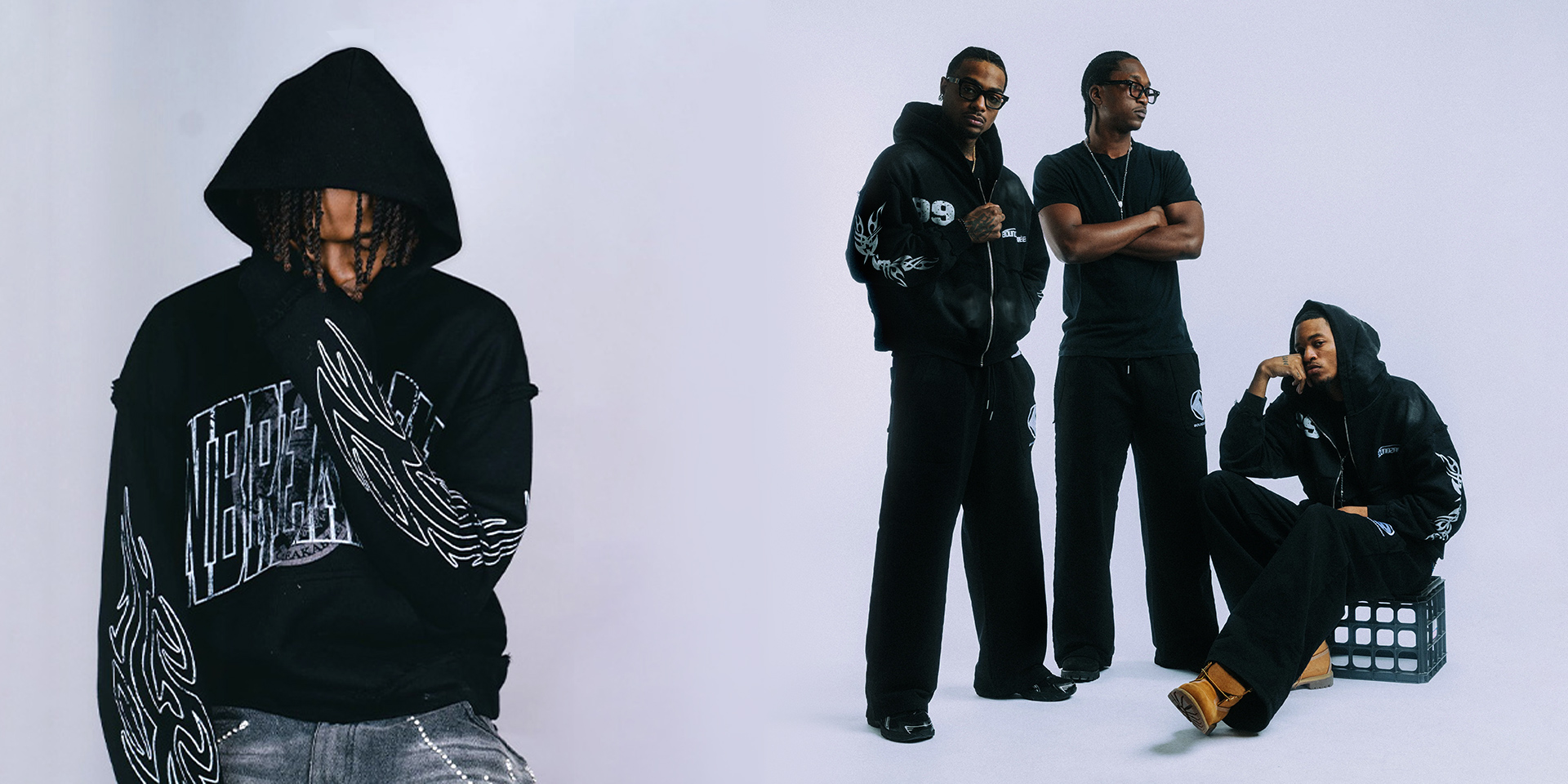 cut-and-sew streetwear factory custom streetwear manufacturers Groovecolor a curated look at streetwear-focused apparel factories in China cut-and-sew streetwear factory custom streetwear manufacturer Groovecolor OEM streetwear manufacturers