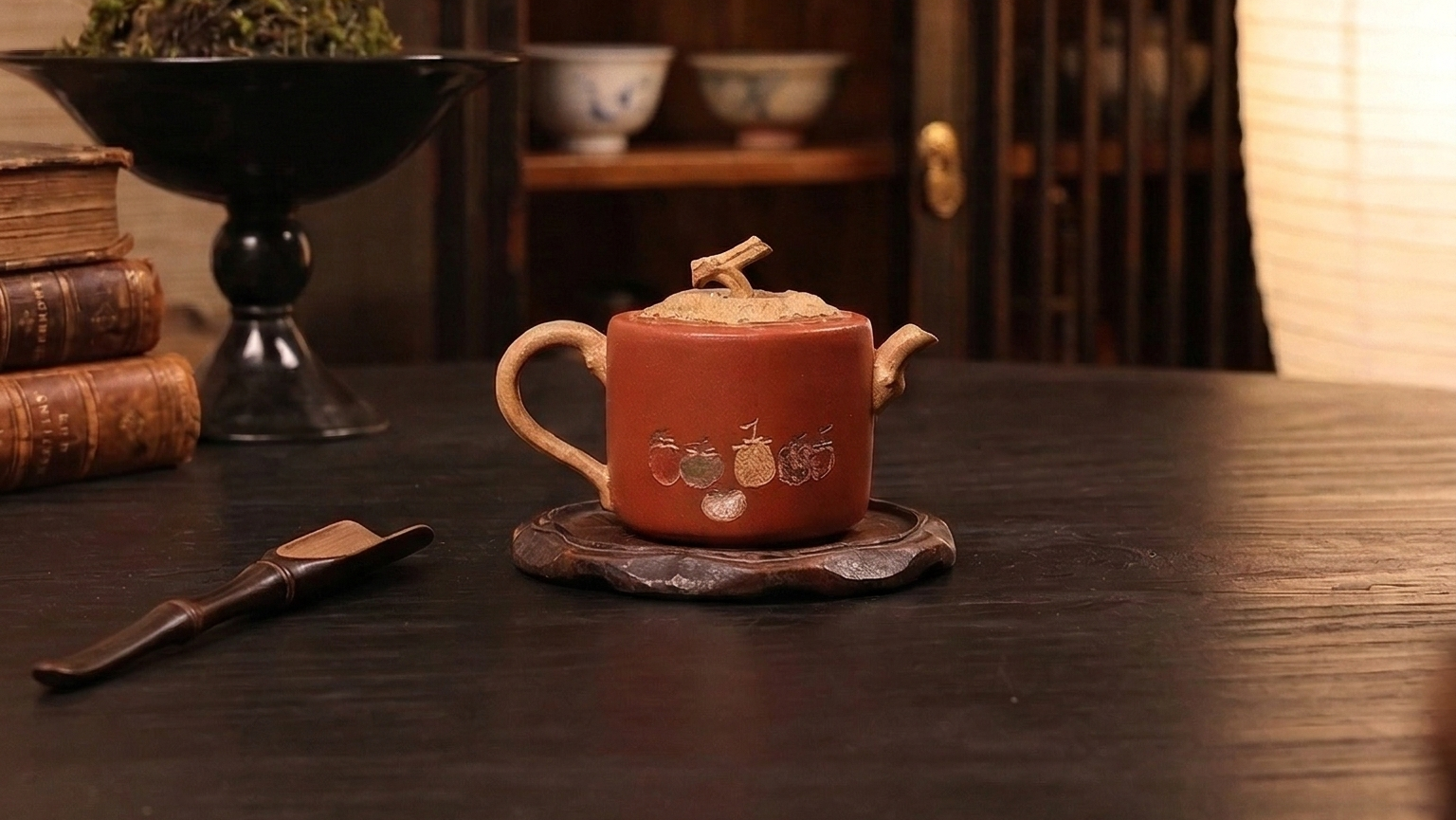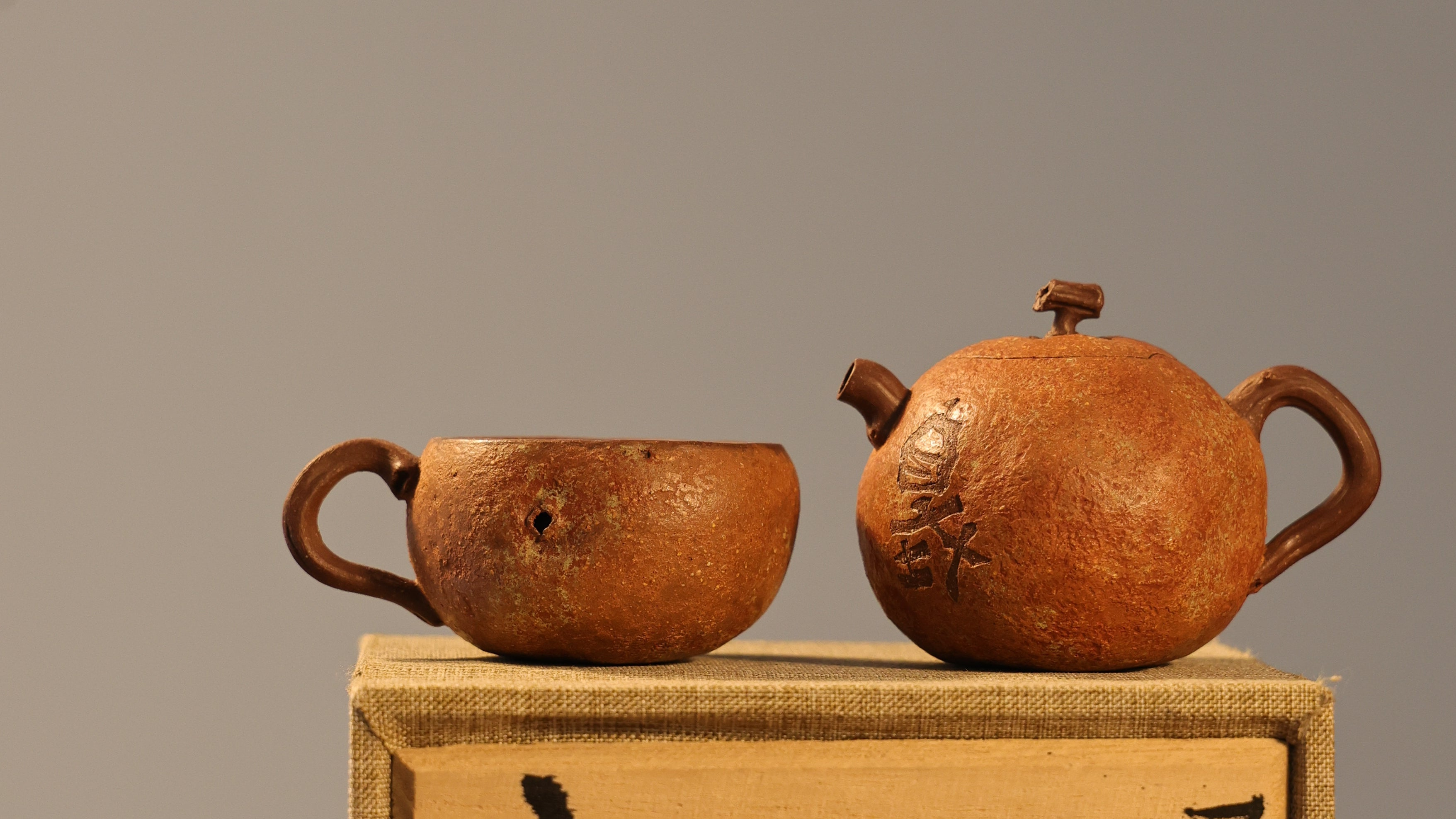
Generations in fans have long pursued the uncommon magnetism of Yixing Zisha pitchers. Founded in the scenic town of Yixing, the territory, these urns are constructed from a infrequent and quarried purple clay celebrated for its outstanding thermal properties and facility to intensify the bouquet of beverages. Aside from their functional appeal, Zisha teapots exemplify a extensive artistic heritage, fashioning them greatly collectible and a genuine wonder for any ardent teapot fan.
Understanding Yixing Pitchers
Traditional teapots exhibit a remarkable unification of history and traditional craftsmanship. Originating in Yixing, Jiangsu Locale of China, their narrative stretches the Ming Dynasty, although indications suggest earlier models. The distinctive purple clay, called Zisha, found particularly in the Yixing region, is the essential component, contributing to the pots' impressive heat holding and the manner they impact the notes of tea. Periods of potters have polished techniques—often handed over through families—including modeling the clay, applying complex embellishments, and firing the pots at exact temperatures.- At first, Yixing teapots were often adorned with simple designs.
- In due course, more intricate carvings and iconographic motifs became widespread.
- The kiln firing itself is a vital element, requiring long durations of expertise.
Collecting Zisha Teapots: Vital Checkpoints
Initiating a campaign to gather Zisha containers can be rewarding, but it’s vital to discern what to look for. Authenticity is essential; focus on the clay’s natural shade, a faint reddish-brown is common. Examine the quality; genuine Zisha has a exclusive tactile sensation, often portrayed as slightly coarse. The morphology should be aesthetically sound and consistent with time-honored styles, while seals, if present, require careful examination for validity. Don’t resist to consult with qualified collectors or trusted contacts – their guidance is critical.
The Clay Pots: Investigating the History of renowned Zisha
Ages have seen Yixing Purple Earth teapots possess a notable role in Chinese arts. These artfully designed pots, sourced uniquely from the district of Yixing, are acclaimed for their characteristic complexion, composition, and their ability to improve the flavor of brews. Several collectors pursue antique Yixing Zisha Teapot Yixing teapots, regarding them deeply not only for their aesthetic attractiveness, but also for the background they reflect.
Yixing Zisha Teapots: Unique Foremost Classes and Their Traits
Purple Earthenware teapots, established in the renowned territory of Yixing, the Chinese territory, are noted for their special clay and exceptional brewing capabilities. Amidst the different Zisha types, notable classes that are highly esteemed include Zhuni. Binzhou, known for its dark purple shade and smooth texture, delivers a tempered flavor. Duan Ni category, recognizable by its mahogany color and mildly grainy feel, is said to enhance tea’s substance. Lastly, Zhuni sort boasts an extraordinary scarlet tone and can impart a savory nuance. Each class presents a different experience, facilitating them notably desirable for tea enthusiasts.
Understanding Personal Zisha Teapot
To realize the essence of your Yixing teapot, familiarizing oneself with the correct procedure is key. These clay pitchers, celebrated for their filtering ability, will slowly embrace the core of the tea you brew within them. Begin by cleansing the vessel thoroughly with steaming water. Then, use only fine whole leaf tea, as lower quality options can impair the container’s delicate flavor profile. Always permit the leaves to open completely, and remember that with each preparation, your Yixing vessel will become continuously cherished.
Securing Your Priceless Zisha Keepsake
Proper handling for your Zisha jar is necessary to conserving its appearance and appreciation. Zisha clay, hailed for its unique nuance and consistency, requires considerate handling. Never use strong formulas, as these can damage the veneer. After every session, rinse the container with warm water and allow it to dehydrate completely.
- Sidestep soaking the vessel for extended phases.
- Occasionally use a soft fabric to maintain the exterior.
- Think about applying a thin layer of food-grade fat inside the jar after drying, which can reduce staining.
Introduction to Yixing Vessels
Yixing earthenware, originating from the Yixing sector in Jiangsu Province, within China, are celebrated for their distinctive aspects. Crafted from the unique purple soil known as Zisha, these jars are prized by liquid enthusiasts worldwide. This guide will gently explain the essentials – covering sorts of Zisha matrix, common shapes, and crucial care suggestions. Understanding the roots of Yixing jars can improve your appreciation for this esteemed example of Far Eastern folklore.
Trade of Asian Clay Pots: Concentrating on Zisha made in this city of Yixing
Zisha substance from the Yixing territory represents the pinnacle of Yuan pot design, possessing a singular amalgamation of unprocessed beauty and utilitarian artistry. These distinguished pieces are acclaimed for their dynamic pigments, often including strong purples and copper hues to delicate greys and subtle beiges. The defining mineral composition of the typical Zisha substrate imparts a unique texture and delivers a welcoming aroma that heightens the aggregate drink experience, resulting in them greatly coveted collectibles and critical components of any serious brew.