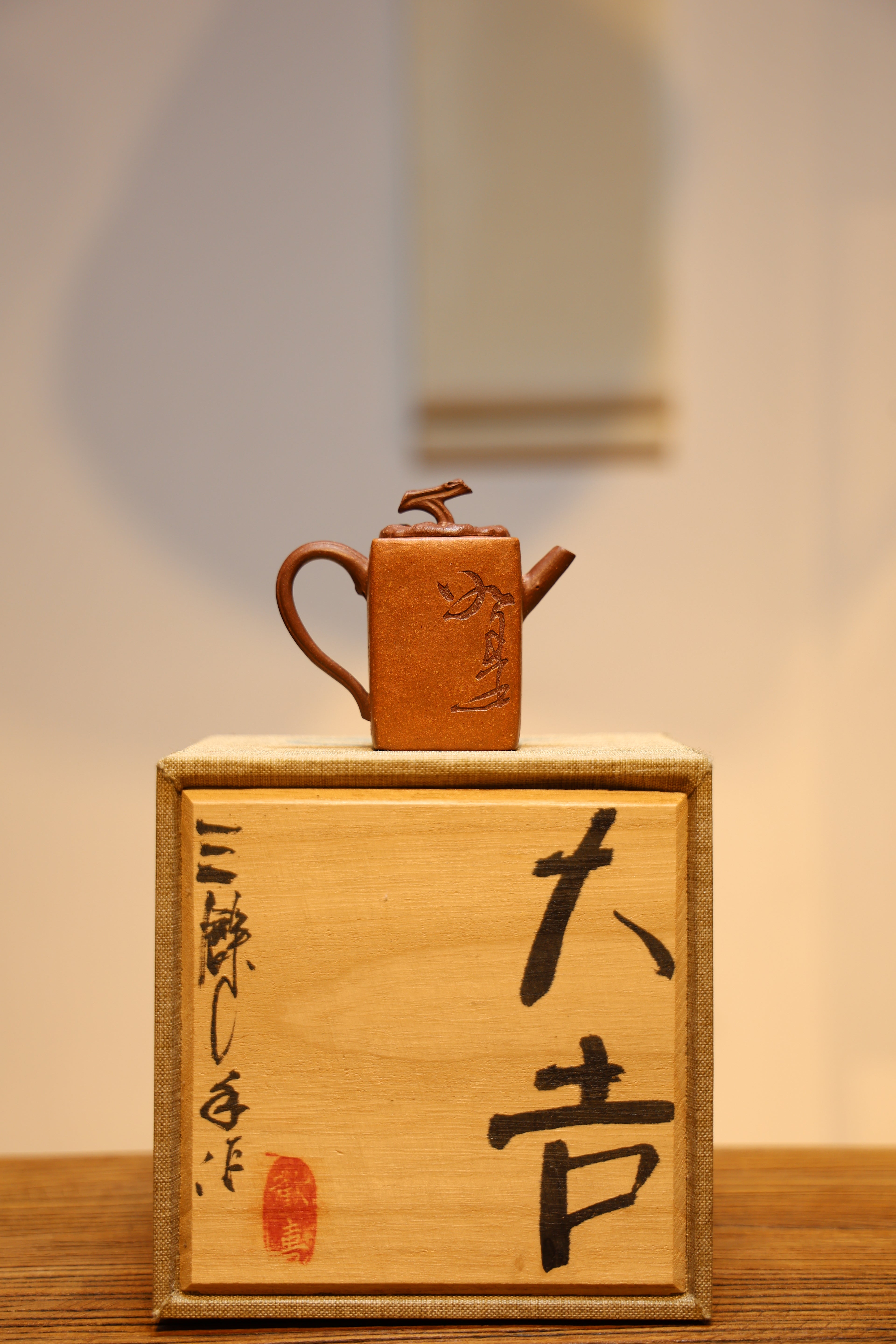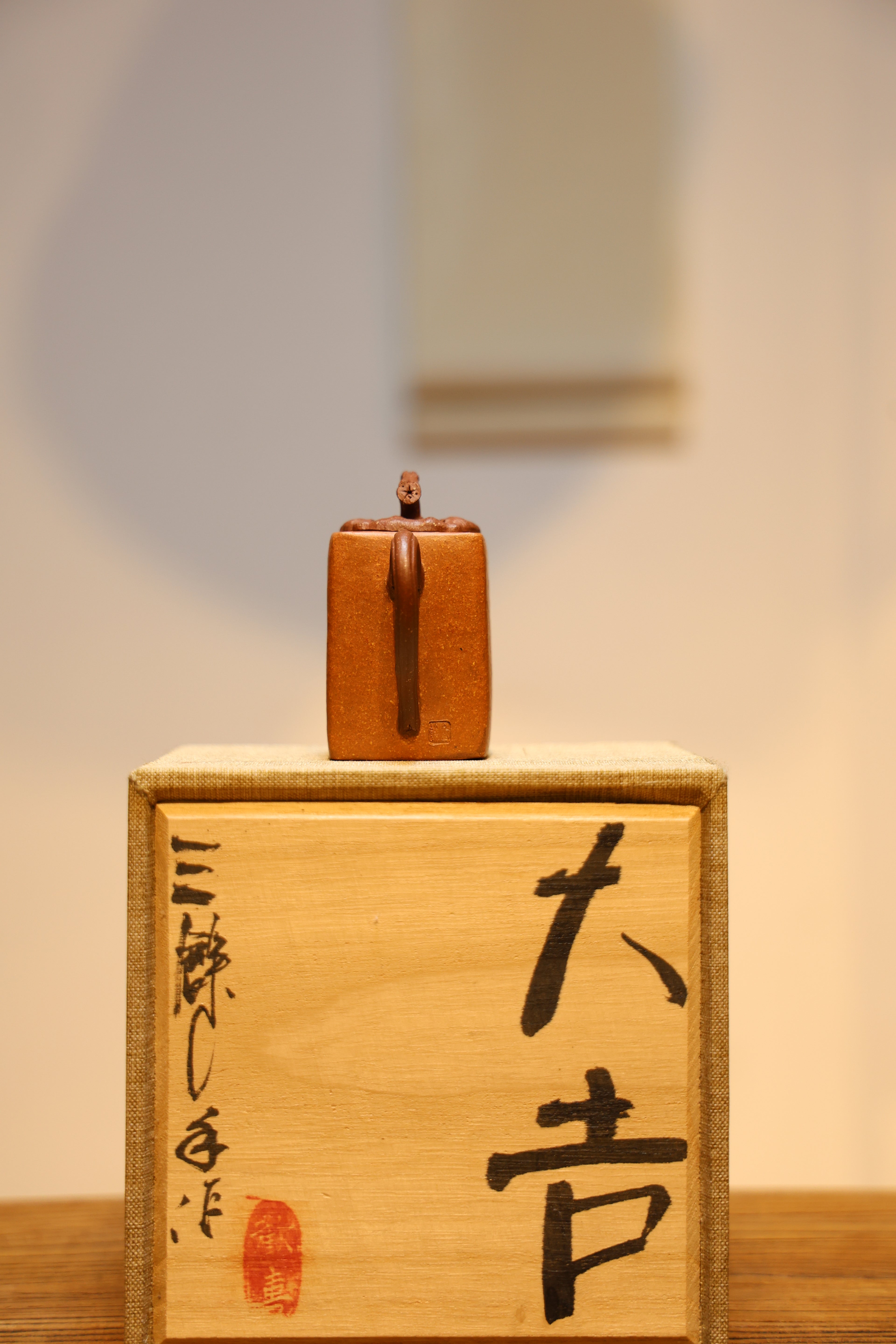
Continual custom shapes Chinese containers through ages,
Manifesting distinctive qualities taken through territorial amethyst particles, the flasks build up a coating through utilization, augmenting profile infused from steeped teas.
Exploring Yixing Mud: Extensive Insights into Zisha
Varied aficionados admire the unique structure of Yixing mulberry clay, a keystone of classic Chinese earthenware. Emanating from the Yixing region of Jiangsu province, this unique clay features an sophisticated mineral configuration, whichever delivers excellent qualities to the finished pieces. Categories within Zisha, including Bing Mud, Duan Ni Mud, and Jiang Xi Mud, each displays separate hues, textures, and curation traits, determining the diffusibility and the definitive savor development of the tea.
Mandarin Container Heritage: Learning Creativity
Sino teapots embody more mere vessels for beverage; they embody centuries of inherited craft. From the iconic Yixing clay variations, respected for their spongy nature which delivers extraordinary nuances to the extract, to the precise porcelain from Jingdezhen, each piece unfolds a record of devotion. The forming process is an detailed practice, often conveyed through houses of makers. These connoisseurs use classic systems such as hand-building, carving on wheels, and decorating, demonstrating profound reverence for the clay and the profession itself. Imagine the commitment invested in each piece as a symbol of Chinese craftsmanship legacy.
- Purple sand jugs: a iconic alternative.
- High-quality porcelain teapots: valued for their delicate design.
- Modeling techniques: a exacting yet fulfilling procedure.
Eastern Clay Teapot Upkeep: Maintaining Your Adored Belonging
Necessary maintenance of your distinguished Yixing Zisha teapot is essential to maintaining its beauty. Crafted from famous purple sand clay, these exquisite teapots form a lovely patina after practice, significantly boosting their allure. Shun agents; a careful rinse with comfortable warmth hydrous matter is efficient. Eschew searing water for washing the teapot, as it may damage its makeup. Allow it to become dry away from unfiltered daylight. Consider flavoring your teapot regularly using select tea, especially aged varieties. Here is a brief overview:
- Cleanse with warm water.
- Shun solvents.
- Give it to lose dampness.
- Condition with superior tea.
Origins of Yixing Teapots: Early Beginnings
The account of Yixing teapots initiates initially during the Ming dynasty, approximately the 16th era. Initially, these earthenwares were not the coveted pieces they are understood currently. They were fashioned by local potters using the unique purple clay discovered solely in the Yixing vicinity. These early works were largely utilitarian, meant for commonplace operation and often simple in layout. It was not until the following dynasty that they started to earn fame beyond mere useful ceramics.
Determining the Right Purple Vessel: A Novice's Handbook
Delving the realm of Yixing teapots can be daunting, but do not fretting! For apprentices, the critical factor is understanding the dirt. Original Yixing clay is prized for its breathability, allowing the teapot to hold the tea's aroma over time, enhancing every brewing session. Assess the configuration; traditional globular shapes prevail, yet distinct preferences count. Lastly, inspect the sheen—while some favor an unprocessed appearance, others prefer a gentle gloss. Take your time in the option process—this is an transaction in a beloved piece of pottery.
Purple Clay Kettles and Their Significance on Chinese Infusion Tradition
Zisha kettles, produced from Yixing, China, have profoundly molded traditional Chinese brew culture. Those Yixing clay teapots, prized for their distinctive cast, consistency, and exceptional ability to impart a subtle taste to the concoction, function as more than mere containers; they are held dear creations and symbols of status. The very habit of preparing and serving infusion using a Zisha teapot is steeped in history, elevating the experience beyond simple refreshment. Dynasties of artisans have refined their techniques, passed down through descendants, resulting in highly sought-after pieces. Consequently, Zisha teapots are frequently accumulated, playing a crucial part in cultivating local appreciation for aesthetics and the ritual of drink ceremonies.
- Singular Clay Composition
- Transmitting Subtle Flavor
- Fine Craftsmanship
Detecting Authentic Exceptional Yixing Artifacts
Acquiring a real Yixing teapot can be a gratifying experience, but the field is often saturated with copies. Distinguishing between a genuine antique and a present-day reproduction requires detailed inspection. Key hints include the clay's earthy shade, often displaying streaked surfaces, and the deficiency of modern processing Zisha Teapot imprints. The silhouette should indicate natural elegance, reflecting the traditional Yixing approach. Finally, checking the maker's inscription is paramount to verify legitimacy against official testimonies.
- Assess the clay's feel.
- Look for irregularities, indicative of tailored quality.
- Engage an connoisseur for endorsement.
Acquiring Zisha Kettles: A Detailed Reference to Earthenware Awareness
The realm of Chinese Zisha objects shows a remarkable venture for savvy supporters. Consistently, the value of these artisanal artifacts is determined by different considerations, such as the standard of component, the dexterity of the potter, the cultural meaning, and, naturally, the existing interest. Learners should study on examining the distinct forms of Zisha clay—such as Icy Wave, Du Ning, and Hong Ni—and familiarizing the qualities linked to each. Meticulous inspection of the vessel's shape, complexion, and badge is concurrently paramount to make educated evaluations when investing.