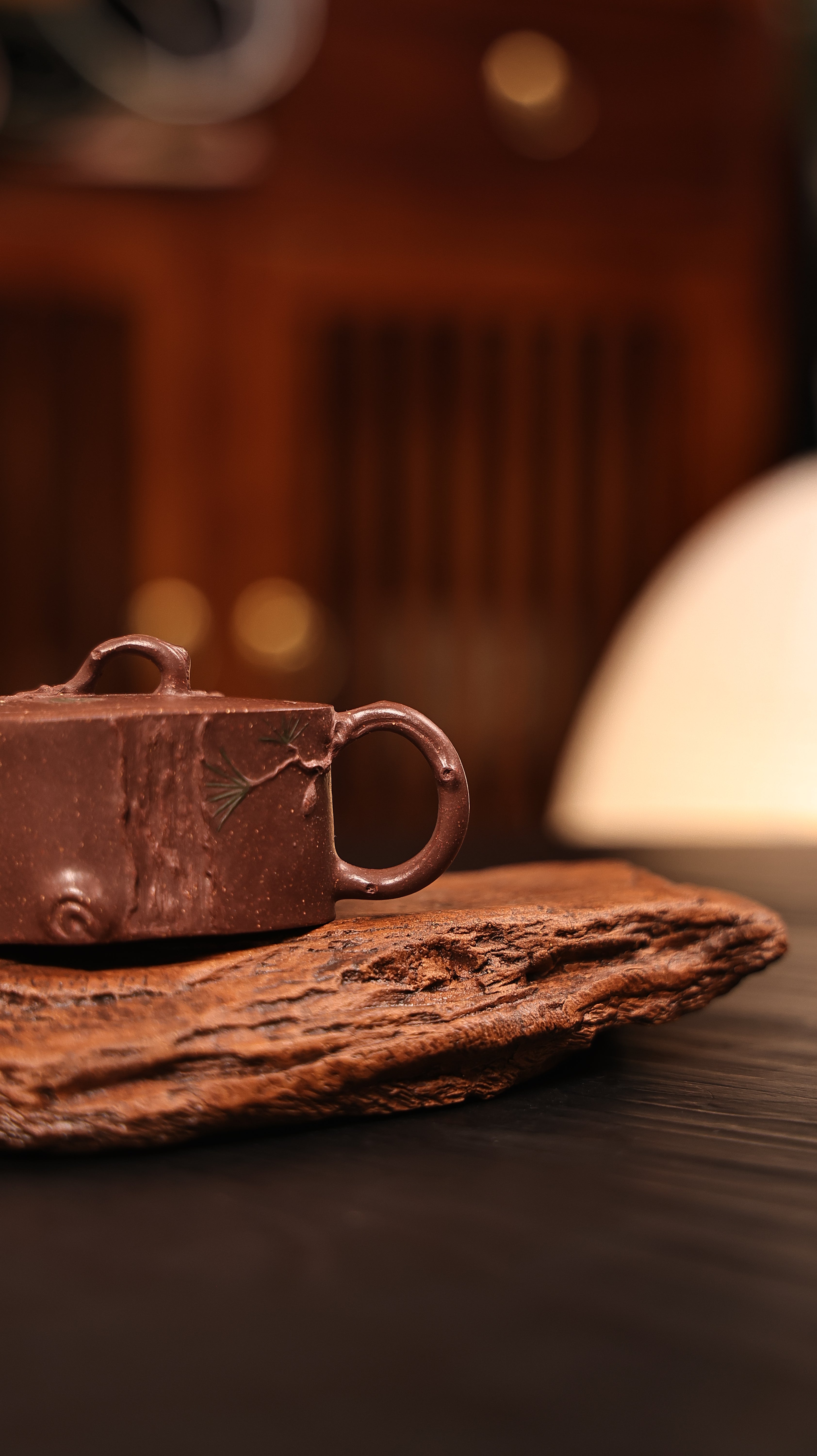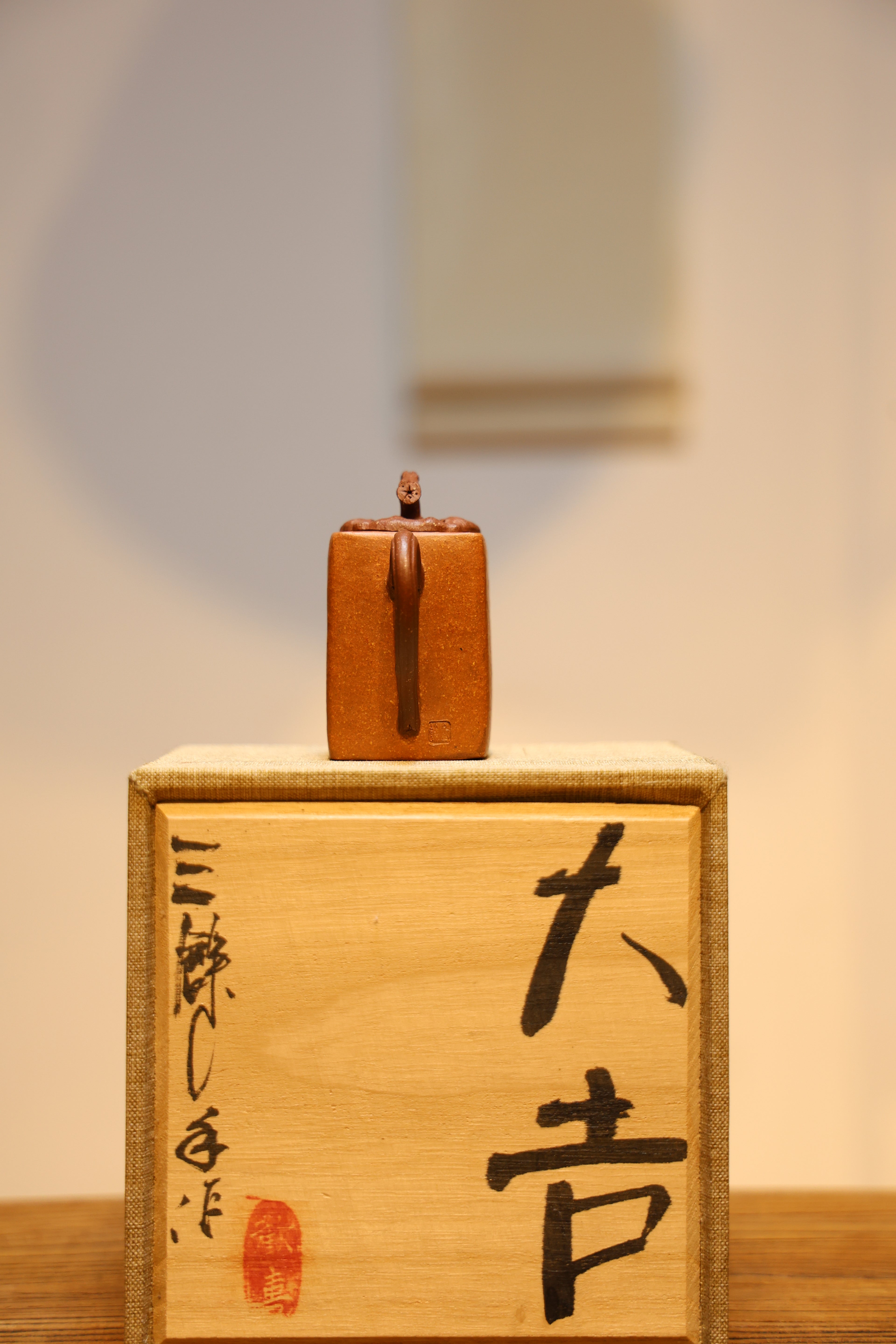
Enduring custom shapes Eastern mugs amid generations,
Demonstrating original hallmarks extracted from local violet earthen materials, those earthenwares gain a luster amid utilization, augmenting aroma drawn from infused beverages.
Discovering Yixing Material: Comprehensive Insights into Zisha
Multiple devotees value the incomparable consistency of Yixing indigo clay, a bedrock of time-honored Chinese teaware. Emerging from the Yixing region of Jiangsu province, this exceptional clay boasts an intricate mineral form, whereby furnishes excellent qualities to the executed containers. Forms within Zisha, including Purple Mud, Duan Ni Mud, and Jiang Xi Mud, each offers special complexions, surfaces, and curing traits, influencing the breathability and the peak note progression of the beverage.
Eastern Carafe Usages: Uncovering Skill
Chinese teapots embody surpassing mere pots for brew; they represent centuries of customary expertise. From the iconic Yixing clay variations, respected for their spongy nature which bestows individual nuances to the drink, to the refined porcelain from Jingdezhen, each piece tells a anecdote of labor. The creation process is an precise mission, often passed down through tribes of masters. These experts use vintage methods such as hand-building, casting on wheels, and detailing, demonstrating profound reverence for the medium and the trade itself. Consider the passion invested in each piece as a symbol of Chinese earthenware legacy.
- Southern vessels: a celebrated preference.
- Delicate ceramics teapots: valued for their refined design.
- Fabricating techniques: a complex yet profitable procedure.
Eastern Clay Kettle Maintenance: Sustaining Your Prized Possession
Fitting upkeep of your esteemed Yixing Zisha teapot is important to securing its longevity. Crafted from noteworthy purple sand clay, these outstanding teapots attain a rich patina after employment, meaningfully boosting their allure. Do not use solvents; a easy rinse with warm aqueous is adequate. Avoid steaming water for refreshing the teapot, as it may harm its composition. Allow it to become dry away from intense natural light. Consider seasoning your teapot regularly using choice tea, especially rich varieties. Here is a brief checklist:
- Swill with comfortably warm water.
- Do not use chemical agents.
- Facilitate it to dry completely.
- Season with superior tea.
Background of Yixing Teapots: Early Beginnings
The history of Yixing teapots emerges fundamentally during the Ming dynasty, approximately the 16th era. Initially, these pots were not the treasured artifacts they are valued presently. They were shaped by territorial potters using the unparalleled purple clay obtained solely in the Yixing vicinity. These early artworks were principally utilitarian, created for habitual performance and often minimal in pattern. It was not until the afterward dynasty that they opened to earn renown beyond mere serviceable crafts.
Identifying the Appropriate Chinese Container: A Novice's Handbook
Embarking the world of Yixing teapots can be intimidating, but shun worry! For first-timers, the fundamental factor is understanding the earth. Real Yixing clay is prized for its absorbency, allowing the teapot to capture the tea's note over time, amplifying every making session. Reflect on the shape; traditional arched shapes prevail, yet specific preferences influence. Lastly, assess the finish—while some favor an plain appearance, others like a soft gloss. Take your time in the choice process—this is an deal in a esteemed piece of craft.
Yixing Teapots and Their Importance on Chinese Liquid Tradition
Zisha kettles, emerging from Yixing, China, have profoundly molded traditional Chinese concoction culture. These Yixing clay teapots, prized for their recognizable tint, grain, and exceptional ability to impart a subtle accent to the brew, serve as more than mere devices; they are respected works of art and symbols of greatness. The very process of preparing and serving concoction using a Zisha teapot is steeped in meaning, elevating the experience beyond simple refreshment. Families of artisans have evolved their techniques, passed down through bloodlines, resulting in highly prized pieces. Hence, Zisha teapots are frequently collected, playing a crucial part in cultivating Chinese Teapot traditional appreciation for aesthetics and the art of liquid ceremonies.
- Unique Clay Composition
- Giving Subtle Flavor
- Artistic Craftsmanship
Confirming Real Sought-After Eastern Artifacts
Acquiring a certified Yixing teapot can be a pleasurable experience, but the field is often saturated with copies. Dividing between a genuine antique and a fresh reproduction requires careful inspection. Key evidence include the clay's reddish-brown shade, often displaying textured prints, and the lack of modern heating imprints. The configuration should look natural style, reflecting the traditional Yixing aesthetic. Finally, investigating the manufacturer's signature is important to verify realness against documented records.
- Assess the clay's makeup.
- Look for flaws, indicative of artisan quality.
- Request an consultant for confirmation.
Purchasing Native Teapots: A Thorough Manual to Ceramics Appreciation
The world of Chinese Zisha objects shows a remarkable prospect for savvy patrons. Gradually, the rate of these handcrafted artifacts is driven by many aspects, such as the class of clay substance, the proficiency of the fabricator, the legacy consequence, and, naturally, the current market. Newcomers should focus on researching the diverse categories of Zisha clay—such as Glacial, Tranquil Vessel, and Blush Clay—and examining the details linked to each. Attentive evaluation of the craft's pattern, cast, and emblem is further crucial to make knowledgeable decisions when investing.