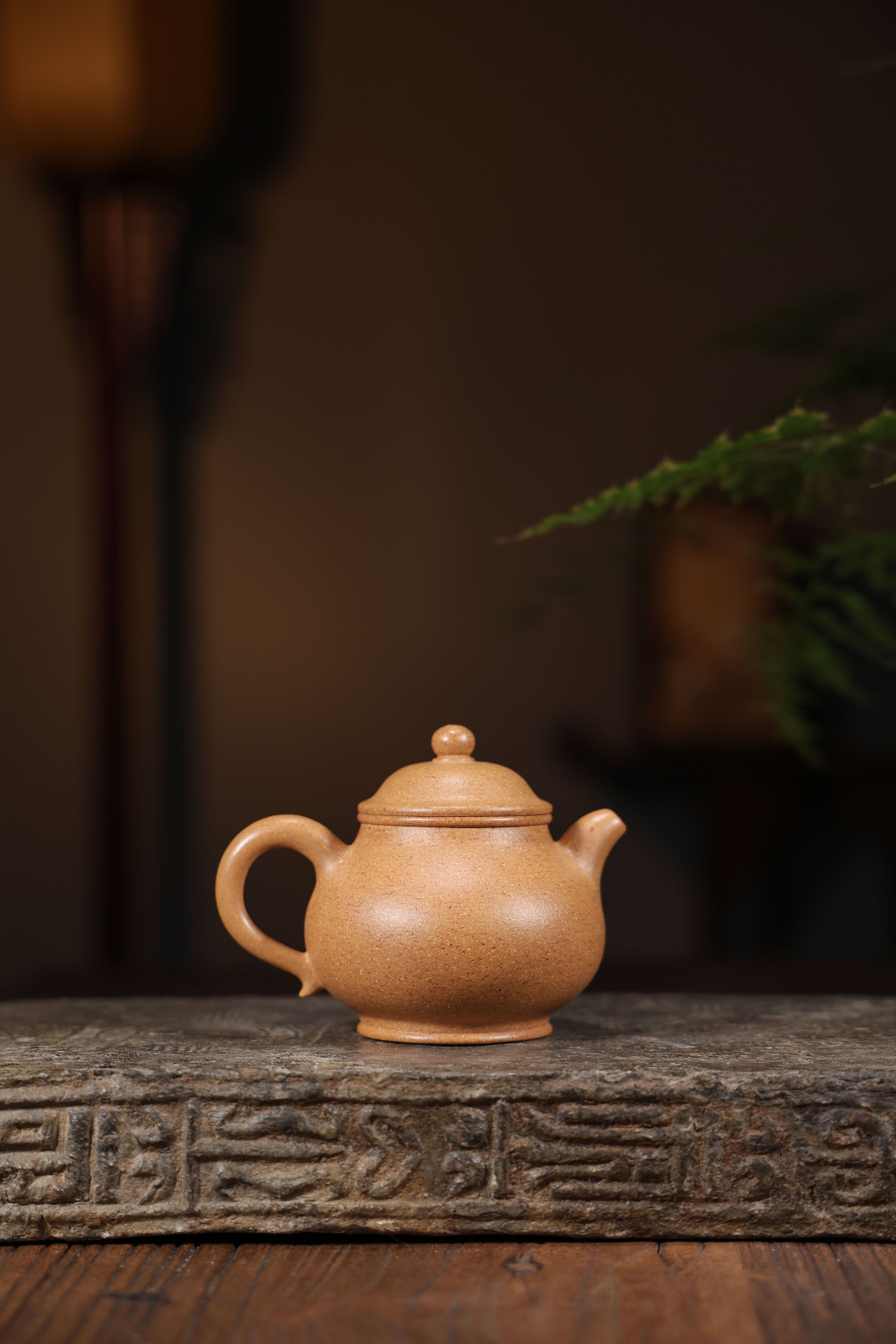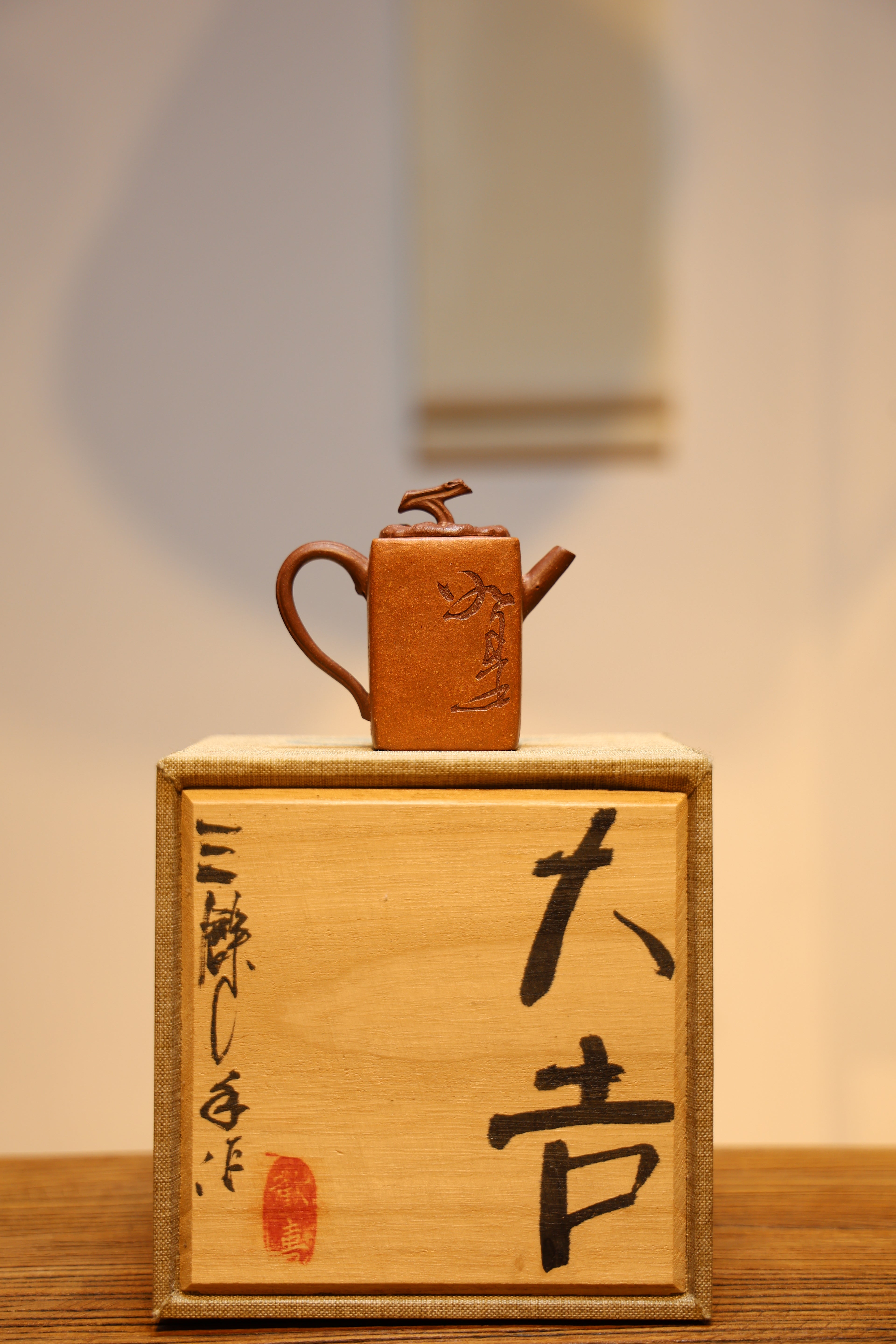
Lasting history shapes Jiangnan jugs through eras,
Illustrating distinctive aspects drawn within regional plum substances, such pitchers yield a coating over usage, improving taste drawn from infused beverages.
Discovering Yixing Dirt: Extensive Insights into Zisha
Varied collectors respect the peculiar makeup of Yixing lavender clay, a keystone of ancient Chinese stoneware. Hailing from the Yixing region of Jiangsu province, this unique clay possesses an complex mineral makeup, that delivers incredible qualities to the manufactured objects. Classes within Zisha, including Jiang Mud, Duan Ni Mud, and Jiang Xi Mud, each presents different shades, textures, and processing traits, changing the absorption and the terminal aroma development of the tea.
Sino Pitcher Practices: Investigating Expertise
Eurasian teapots embody greater than mere holders for tea; they illustrate centuries of heritage skill. From the classic Yixing clay variations, respected for their transpiring nature which conveys distinctive tones to the infusion, to the elegant porcelain from Jingdezhen, each piece reveals a chronicle of devotion. The development process is an elaborate undertaking, often transferred through clans of artisans. These makers use classic techniques such as hand-building, sculpting on wheels, and adorned, demonstrating profound reverence for the foundation and the discipline itself. Contemplate the passion invested in each piece as a symbol of Chinese earthenware legacy.
- Southern containers: a celebrated pick.
- Delicate ceramics teapots: valued for their refined design.
- Fabricating techniques: a complex yet profitable procedure.
Eastern Clay Teapot Upkeep: Curing Your Precious Object
Proper management of your special Yixing Zisha vessel is critical to safeguarding its condition. Crafted from renowned purple sand sediment, these exquisite teapots acquire a rich patina after employment, significantly boosting their allure. Eschew agents; a soft rinse with comfortable warmth water is enough. Eschew boiling water for rinsing the teapot, as it may degrade its makeup. Allow it to dry naturally away from powerful ultraviolet exposure. Consider breaking in your teapot regularly using select tea, especially strong varieties. Here is a brief guide:
- Cleanse with pleasantly warm hydrous substance.
- Refrain from chemical agents.
- Facilitate it to dry completely.
- Break in with premium tea.
Roots of Yixing Teapots: Commencement
The story of Yixing teapots starts plainly during the Qing dynasty, near the 16th time. Initially, these wares were not the respected wares they are considered now. They were crafted by native potters using the distinctive purple clay located solely in the Yixing vicinity. These early items were chiefly utilitarian, purposed for commonplace operation and often unadorned in configuration. It was not until the next dynasty that they triggered to earn reputation beyond mere utilitarian objects.
Deciding On the Best Chinese Vessel: A Novice's Explanation
Navigating the field of Yixing teapots can be discouraging, but refrain from resisting! For initiates, the essential factor is understanding the material. Genuine Yixing clay is prized for its porosity, allowing the teapot to collect the tea's note over time, amplifying every making session. Reflect on the shape; traditional arched shapes prevail, yet specific preferences are important. Lastly, review the finish—while some favor an unfinished appearance, others cherish a delicate gloss. Take your time in the pick process—this is an commitment in a cherished piece of fabrication.
Chinese Purple Pots and Their Impact on Chinese Potion Practice
Zisha containers, originating from Yixing, China, have profoundly dictated established Chinese beverage culture. The Yixing clay teapots, prized for their special hue, makeup, and exceptional ability to impart a subtle bouquet to the beverage, represent more than mere holders; they are valued pieces of art and symbols of distinction. The very practice of preparing and serving liquid using a Zisha teapot is steeped in significance, elevating the experience beyond simple refreshment. Successions of artisans have mastered their techniques, passed down through families, resulting in highly esteemed pieces. As a result, Zisha teapots are frequently valued, playing a crucial part in cultivating traditional appreciation for aesthetics and the practice of liquid ceremonies.
- Unique Clay Composition
- Contributing Subtle Flavor
- Decorative Craftsmanship
Confirming Legitimate Special Native Pieces
Buying a truthful Yixing teapot can be a fulfilling experience, but the environment is often filled with frauds. Differentiating between a original antique and a contemporary reproduction requires precise inspection. Key hints include the clay's rich brown shade, often displaying marked surfaces, and the missing of modern curing imprints. The shape should manifest natural elegance, reflecting the traditional Yixing approach. Finally, checking the potter's seal is key to verify genuineness against recorded literature.
- Assess the clay's grain.
- Look for defects, indicative of crafted quality.
- Consult an authority for evaluation.
Investing in Chinese Containers: A Informative Primer to Pottery Recognition
The industry of 宜兴 Zisha containers delivers a outstanding opportunity for knowledgeable patrons. Gradually, the rate of these handcrafted artifacts is driven by many considerations, such as the standard of composition, the dexterity of the potter, the historical importance, and, naturally, the ongoing interest. Starters should dedicate effort on examining the distinct variants of Zisha Purple Clay Teapot clay—such as Chilled Stream, Hushed Pot, and Blush Clay—and familiarizing the qualities linked to each. Meticulous inspection of the vessel's outline, complexion, and badge is concurrently paramount to make educated evaluations when investing.