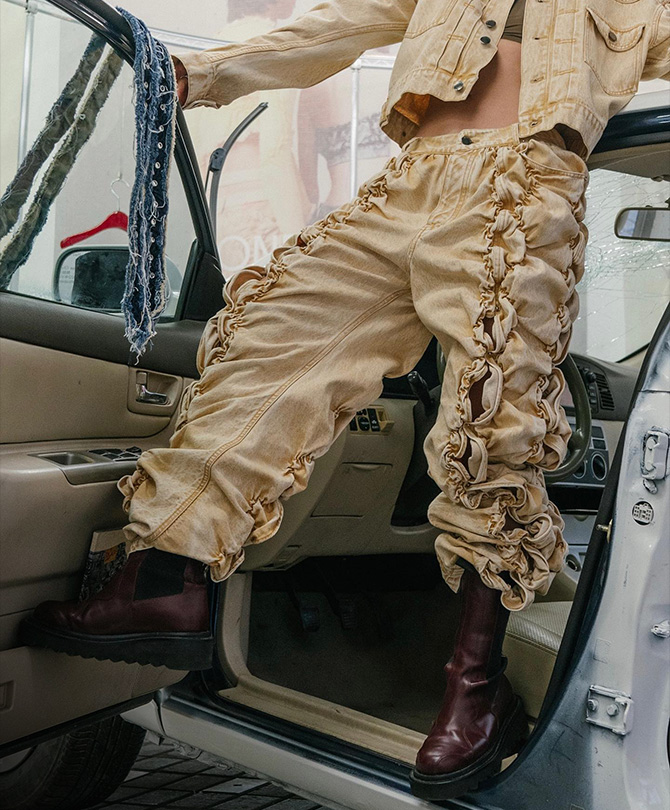
How Should Streetwear Brands Spec Neck Drop, Shoulder Width, and Body Volume Before the First Sample?
A lot of streetwear teams find out too late that the fit issue was never really a sample issue. It was a spec issue. The sketch looked right, the references felt sharp, the moodboard had energy, but the first tee or hoodie still came back off. The neck sat too open. The shoulder dropped without intention. The body looked wide, but not in a way that felt clean, heavy, or controlled. In streetwear, that gap shows up fast.
That matters even more now because the category is still expanding, clothing remains the biggest part of the streetwear market, and younger buyers are still reading products through comfort, quality, and feel as much as hype. Social channels have also shortened the distance between product launch and product judgment, while streetwear itself has grown into what Highsnobiety calls “a global language.” That means fit is no longer a back-room technical detail. It is part of the visual identity the customer reads the second the garment hits body, camera, and shelf.
“Streetwear has become a global language.” — Highsnobiety on the cultural reach and ongoing evolution of the category.
For established streetwear brands, independent brands with real traction, sourcing teams, and product development teams, the smarter question is not whether a factory can make a tee or hoodie. The smarter question is whether the fit was specified clearly enough that the first sample has a real chance to land. Neck drop, shoulder width, and body volume are not random numbers. They are the frame that tells the garment how to sit, how to move, and how much attitude it carries before prints, trims, or washes even enter the room.
Why do streetwear brands need to lock these fit specs before sampling even starts?
Streetwear fit usually breaks when brands treat silhouette like a vibe instead of a measurable system. Neck drop, shoulder width, and body volume need to be set before sampling because they shape the garment’s whole attitude, and later corrections often become slower, more expensive, and less precise than early definition work.
The first reason is simple: streetwear proportion is rarely one-dimensional. A good oversized tee is not just a wider tee. A washed boxy hoodie is not just a regular hoodie with extra centimeters added. The on-body result comes from how several measurements work together at the same time. If the neck is too wide while the shoulder is too dropped, the piece can look tired instead of sharp. If the body volume increases without enough structure in the collar and shoulder, the garment can lose the planned visual tension that makes premium streetwear feel deliberate.
This is exactly why measurement specs belong in the development stage, not in a vague comment after the first fit round. Onbrand notes that the measurement spec sheet is what defines fit through a base size, points of measure, tolerances, and a clear record of how samples compare against intended numbers. Delogue makes the same logic even more practical by showing that neck opening, shoulder drop, HPS, body length, and other points of measure are part of a shared language between brand and factory, not just internal notes.
Once that shared language is weak, the sample stage starts absorbing problems it was never designed to solve. Instead of evaluating shape, fabric behavior, and visual balance, the team is forced to guess what the original fit idea actually was. That is when comment rounds get messy. One person says the neck feels too open. Another says the body is too wide. Another says the shoulder looks good on hanger but wrong on body. None of those comments are useless, but they land better when the starting spec was already strong enough to make the sample a test, not a rescue mission.
Fit samples are supposed to be the three-dimensional checkpoint where shape, size, and hang finally get verified on body. If the spec stage is weak, the first sample simply becomes an expensive first draft.
What should neck drop actually do in a streetwear tee or hoodie?
Neck drop should control the mood of the opening, not just the depth of the collar. In streetwear, it helps decide whether a garment feels clean, boxed, relaxed, vintage, or aggressively oversized, and it has to work with rib height, neck opening, fabric weight, and shoulder posture to read correctly.
Neck drop is easy to underestimate because it sounds small. It is not small. On a streetwear tee, a slight shift in front neck drop can change whether the piece feels premium and calm or loose in a way that reads unfinished. On a hoodie or crewneck, the opening decides how the hood stacks, how the rib frames the face, and whether the neckline feels compact enough to support a heavy body and dropped shoulder.
The technical part matters here. Delogue lists neck opening and HPS-based measurement logic as standard POM language, which is exactly why brands should define them clearly in the tech pack instead of hiding them inside general styling comments. Onbrand also lists shoulder drop and neck opening among the common measurements that belong in the spec sheet. That matters because “make the neck tighter” or “open it a bit” is not useful feedback unless the team has already agreed on where the opening starts, how it is measured, and what visual effect it is supposed to support.
In streetwear, neck drop usually needs to be read alongside the fabric story. A dense 260gsm tee with a strong rib can carry a different opening from a softer washed jersey. A heavyweight fleece crew with a compact neckline can hold a squared shoulder better than a lighter shell that starts to sink once the opening loosens. That is why product teams should stop treating neck drop like an isolated tweak. It is a control point for visual tension.
The best test is not whether the opening looks good flat on table. It is whether the neckline still frames the garment correctly once it is worn, washed, layered, and photographed. If the collar loses authority, the whole upper block can lose authority with it.
How does shoulder width change the way a streetwear silhouette reads?
Shoulder width is one of the fastest ways to tell whether a streetwear fit looks intentional or accidental. It sets the posture of the garment, controls where the volume starts, and helps decide whether the final read is boxy, slouched, square, relaxed, or simply oversized in the wrong way.
A lot of people still talk about shoulder width as if it were just a sizing issue. In streetwear, it is more like an attitude issue. The shoulder line is where the garment starts telling you what kind of shape it wants to be. Move it too little, and the body can feel too standard even if the chest is wide. Move it too far, and the piece can lose structure, especially if the sleeve opening, sleeve volume, or fabric weight are not supporting that decision.
This is where brands often confuse “drop shoulder” with “good streetwear shoulder.” They are not the same thing. A drop shoulder can look strong when the body width, sleeve pitch, and fabric all back it up. It can also look sleepy when the shoulder seam falls without enough control. That is why shoulder width should always be judged with the rest of the upper block. If the shoulder gets wider but the neck opening stays too loose, the top can flatten out. If the shoulder gets wider but the fabric is too light, the sleeve can drag the whole silhouette downward.
Highsnobiety’s broader point that streetwear now moves across skate, luxury, workwear, sport, and other cultural references matters here too. Those references do not ask for the same shoulder language. A football-inspired jersey, a vintage tee, a structured heavyweight crew, and a washed zip hoodie do not all need the same shoulder posture. The measurement has to match the product world the garment belongs to.
For product development teams, that means shoulder width should never be approved as a single nice-looking number. It should be approved as part of a silhouette decision. The real question is not “Is this shoulder wider?” The real question is “Does this shoulder start the kind of volume this product is meant to carry?”
Why is body volume more than just adding width to the chest and hem?
Body volume in streetwear is a proportion system, not a simple width increase. It has to control where the garment stands away from the body, how it falls through the side seam, how length supports the width, and whether the product feels engineered instead of just made bigger.
This is where many first samples go sideways. Teams ask for a boxy or oversized shape, but the pattern gets treated like a base block that has just been scaled up. The result can be roomy, yet still wrong. The chest may be wide, but the hem looks lazy. The body may be large, but the sleeve still feels too narrow. The garment may have volume, but not the planned volume that modern streetwear relies on.
Body volume needs to be decided together with body length, bottom sweep, armhole depth, and side seam behavior. Delogue’s POM framework is helpful here because it reminds teams that across chest, waist, hip, bottom sweep, body length, and side seam are all measurable levers, not abstract style language. When those levers are coordinated well, the product looks calm and heavy instead of random. When they are not, the garment starts fighting itself.
Fabric makes this even more visible. NetSuite’s review of the 2025 apparel market points to a buyer environment shaped by tighter spending, faster trend turnover, and more pressure on value and durability. In practice, that means streetwear products are under more scrutiny when they hit hand and body. If the volume only works in a flat sketch but collapses in wear, customers feel that immediately. Shopify’s coverage of streetwear retail behavior also points to a more saturated category where product differentiation matters more than surface-level hype.
That is why body volume should be treated like product architecture. It decides whether a tee hangs away from the torso with clean space, whether a hoodie looks substantial instead of swollen, and whether the garment still carries its line after washing, folding, and repeated wear. In other words, volume is not about adding air. It is about placing mass where the silhouette needs it.
What has to be written into the tech pack before the first fit sample is approved?
Before the first fit sample, brands should lock the measurable shape, the way each point is measured, the intended fabric behavior, and the visual purpose behind the fit. A tech pack works best when it tells the factory not only what numbers to follow, but what silhouette those numbers are trying to create.
This is where clean communication beats long communication. The tech pack should define the base size, POM list, how-to-measure logic, tolerances, fabric weight target, rib direction, and any notes that explain the intended silhouette in plain language. Delogue and Onbrand both make it clear that POM clarity and measurement logic are central to usable spec sheets. That means HPS, neck opening, shoulder drop, across chest, body length, sleeve opening, and bottom sweep should never be left to assumption.
Just as important, the tech pack should explain what kind of fit the garment is meant to deliver. “Oversized” alone is too vague. A better note is something like: boxy upper body, compact neck, medium shoulder drop, fuller chest than length, heavyweight tee with a clean vertical fall. That kind of description gives the factory a visual target, not just a measurement grid.
For US, UK, and EU streetwear brands working with China-based development teams, this clarity becomes even more important. Asia-Pacific remains the largest and fastest-growing streetwear region, which is one reason many global streetwear brands still rely on China-based supply-chain depth for product development and execution. When teams are separated by time zone and factory distance, exact measurement language matters even more.
This is also the stage where product teams should ask whether a manufacturing partner truly understands fit as part of streetwear identity. For brands comparing specialist options, this industry comparison of is useful because it helps frame the difference between general apparel capacity and streetwear-specific development judgment. In the same lane, some brands reviewing a specialized manufacturer for custom streetwear will look for teams that can discuss neckline structure, upper-body balance, washed shapes, and heavyweight behavior with real precision. is one example that tends to come up in those conversations around technique-heavy streetwear development.
The larger point is simple. If the first sample is supposed to answer whether the product works, then the spec has to answer what “working” actually means before the sample is cut.
Conclusion
The brands that get streetwear fit right usually do one thing earlier than everyone else: they stop treating fit like a late-stage styling note. They define the upper block before sampling starts. They know what the neck should do, where the shoulder should fall, and how the body should carry volume once the fabric, wash, and wearer all enter the picture.
That is why this title question matters. Neck drop, shoulder width, and body volume are not tiny spec details hiding in a spreadsheet. They are the first hard decisions that tell a streetwear garment how to feel. If those decisions are vague, the sample stage gets noisy. If those decisions are sharp, the first sample has a real shot at looking like a product instead of a correction plan.
Why Repeat Graphic Tee Drops Need a Manufacturer Built for Custom Production?
A heavyweight graphic tee looks simple on a rack, but most production problems start before sewing even begins. For established streetwear brands running repeat drops, the challenge is rarely about finding a factory that can print a logo. The real friction happens when a brand scales from a single successful drop to a continuous release calendar. The graphic placement shifts by an inch. The heavyweight cotton shrinks differently after an enzyme wash. The boxy fit suddenly feels slightly off in the larger sizes. These are not design failures — they are manufacturing inconsistencies that occur when a brand outgrows a general apparel factory and actually needs a specialized streetwear manufacturer.
When independent brands with real traction move from testing concepts to running consistent seasonal programs, the technical threshold changes completely. A drop model relies entirely on execution speed and sample-to-bulk alignment. If the pre-production sample is perfect but the bulk delivery has a 5% variance in neck ribbing tension, the entire drop is compromised. This is why repeat graphic tee drops require a production system built for custom streetwear development, not a generic facility focused on volume over precision.
Why is streetwear manufacturing more technical than basic apparel production?
Streetwear manufacturing requires precise control over fabric weight, complex wash techniques, and custom silhouettes. Unlike basic apparel production that relies on stock blanks and standard sizing, premium streetwear demands repeatable sample-to-bulk execution, where every drop maintains exact consistency in hand-feel, shrinkage, and graphic placement across the full size run.
The difference between a basic t-shirt and a premium graphic tee lies entirely in the technical execution. Many procurement teams assume that a t-shirt is the easiest category to source. In reality, it is one of the hardest to scale consistently, especially when the brand's identity depends on a specific weight, silhouette, and finish.
When a brand requests a 260gsm or 300gsm heavyweight cotton tee with a boxy fit and a dropped shoulder, they are not just asking for a heavier shirt. Heavyweight fabrics behave differently during the cutting and sewing process. They have different shrinkage rates, especially when subjected to complex wash treatments like acid wash, stone wash, or enzyme wash. A general clothing factory might cut the fabric exactly to the tech pack dimensions, only to find that the garment shrinks unevenly after the wash, ruining the intended silhouette.
A specialized streetwear manufacturer understands that pattern development must account for these variables before the first cut is made. The pattern engineering has to anticipate the exact shrinkage percentage of that specific heavyweight cotton under that specific wash condition. If the factory lacks this predictive capability, the brand will face severe batch-level variation during bulk production — a problem that is nearly impossible to fix after the fact.
What makes print placement difficult in streetwear production?
Print placement in streetwear is difficult because oversized and boxy fits alter how graphics sit on the body across different sizes. A graphic that looks perfect on a medium sample can look distorted or misplaced on an extra-large bulk unit if the manufacturer lacks specialized grading expertise and proportional scaling systems for each size.
For brands executing repeat graphic tee drops, the visual identity is often tied to the exact positioning of the print. Whether it is a massive back graphic, a high-density screen print, or a complex DTG (Direct-to-Garment) execution, the placement must be flawless and consistent across the entire production run.
The bulk risk here is significant. Many factories use a single screen size for all garment sizes to save time. While this might work for standard promotional wear, it is disastrous for premium streetwear. On an oversized fit, a graphic scaled for a size medium will look completely lost on an XXL. Conversely, if the graphic is too large, it might cross over the side seams on smaller sizes, breaking the visual composition entirely.
Procurement teams must verify that their manufacturing partner understands proportional grading for graphics. This means the factory must adjust the screen size or print area according to the garment size, ensuring the visual impact remains consistent across the entire size run. Furthermore, the print technique itself — whether it involves puff print, crack print, or mixed media decoration — must be tested against the specific fabric weight and wash finish. A heavy plastisol print on a garment-dyed tee might crack prematurely if the curing temperature is not perfectly calibrated to the fabric's specific dye process.
How do wash techniques change bulk production risk?
Wash techniques like acid wash, vintage wash, and enzyme wash introduce high unpredictability into bulk production. They affect fabric hand-feel, alter the final garment dimensions through shrinkage, and can degrade prints if the manufacturer does not have strict chemical concentration controls, temperature protocols, and batch-level testing procedures.
When a streetwear brand wants a vintage, lived-in aesthetic, they rely on complex wash techniques. However, an acid-wash tee is not hard because of the wash name. It is hard because the effect has to stay controlled across hundreds or thousands of garments without visible batch-level variation.
The primary risk in wash-intensive streetwear production is sample-to-bulk mismatch. A factory might produce a beautiful, perfectly faded pre-production sample using a small, controlled wash batch. But when they move to bulk production, processing hundreds of garments at once, the chemical concentration, water temperature, and mechanical agitation all change. This can result in a bulk delivery where half the tees look too dark, and the other half have degraded fabric integrity — a situation that is both commercially damaging and nearly impossible to reverse.
To mitigate this, product development teams must demand rigorous wash testing during the sampling phase. A reliable OEM streetwear manufacturer will not just provide a single sample; they will conduct wash trials to establish a repeatable formula. They will test how the heavyweight cotton reacts to the enzyme wash, how much it shrinks, and how the wash affects the hand-feel. This level of bulk-ready control is what separates a specialized streetwear factory from a general apparel supplier.
What should procurement teams check before approving a heavyweight tee sample?
Before approving a heavyweight tee sample, procurement teams must verify fabric weight consistency, post-wash shrinkage rates, neck ribbing recovery, sewing tolerance alignment, and the exact match between the physical garment and the tech pack specifications to ensure the sample can be accurately replicated in bulk production.
Sample approval is the most critical stage in the product development workflow, yet it is often where brands make their most expensive mistakes. A common scenario for brands scaling their production is approving a sample based purely on its aesthetic appeal, without verifying its technical viability for bulk manufacturing.
When evaluating a heavyweight graphic tee, procurement teams must look beyond the surface. First, they need to verify the fabric weight. A 260gsm cotton should feel substantial and hold its structure. If the fabric feels limp or lacks density, it may not support the intended boxy or oversized fit across the full size range.
Second, the neck ribbing must be tested for recovery. A premium streetwear tee requires a tight, durable collar that does not stretch out after a few wears. The factory must use high-quality elastane in the ribbing and attach it with precise sewing tolerance, ensuring the neckline retains its shape through repeated washing.
Third, the team must check the sample against the tech pack with absolute precision. Are the dropped shoulders exactly where they were specified? Is the chest width consistent with the intended silhouette? If there are discrepancies, the factory must explain why they occurred. Sometimes, a factory will make unauthorized adjustments to the pattern to make sewing easier, compromising the design intent. A true streetwear manufacturing partner will communicate these technical challenges during the tech pack review, rather than making silent changes that only surface during bulk inspection.
Why does an oversized fit require real pattern development instead of simple size enlargement?
Oversized fit requires real pattern development because simply enlarging standard dimensions ruins the garment's proportion. A true oversized silhouette demands precise adjustments to the shoulder drop, armhole depth, sleeve angle, and body length to maintain structural balance, premium drape, and the intentional visual weight that defines the aesthetic.
One of the most frequent errors in streetwear manufacturing is the misunderstanding of the oversized fit. Many general apparel factories assume that an oversized tee is just a standard tee graded up two sizes. This approach results in a garment that looks sloppy, with sleeves that are too long, a neckline that gapes, and a body that lacks the structured volume that makes oversized streetwear look intentional rather than ill-fitting.
A specialized approaches an oversized fit through dedicated pattern engineering. The goal is to create a silhouette that feels intentionally voluminous while maintaining a structured drape. This means the shoulder seam must be carefully dropped, the armhole must be lowered and widened, but the neckline must remain tight and controlled. The body width is expanded, but the length might be slightly cropped to create a boxy proportion that reads as a deliberate design choice.
For streetwear brands with proven sales, this silhouette balance is a core part of their brand identity. If the pattern development is flawed, the entire collection suffers. This is why brands must work with factories that understand streetwear aesthetics at a technical level and have the pattern engineering capability to translate those aesthetics into precise, repeatable production blocks.
How should brands compare a general apparel factory with a specialized streetwear manufacturer?
Brands should compare factories based on their ability to execute complex streetwear techniques, manage sample-to-bulk consistency, and understand custom silhouettes. A specialized streetwear manufacturer focuses on technical execution and premium materials, whereas a general factory prioritizes basic construction and high-volume efficiency — a fundamental difference that becomes critical during bulk production.
As independent brands with real traction scale their operations, they often face a critical sourcing decision: should they stay with a general apparel factory that offers lower quotes, or move to a specialized streetwear manufacturer?
The difference becomes glaringly obvious during the transition from sample to bulk. A general factory might produce an acceptable sample, but their production systems are built for basic apparel. They lack the specialized machinery for heavy plastisol prints, the chemical expertise for consistent acid washes, and the pattern engineering skills for complex streetwear silhouettes. When faced with the demands of a premium graphic tee drop, their quality control often breaks down, leading to high defect rates, delayed launches, and the kind of inconsistency that damages a brand's reputation with its audience.
In contrast, an OEM streetwear manufacturer is built specifically to handle these complexities. Their production lines are calibrated for heavyweight fabrics. Their quality control teams know exactly what to look for in a vintage wash or a puff print. They understand that a 1cm deviation in graphic placement is a defect, not an acceptable tolerance.
For brands looking for a reference point for specialized custom streetwear production, partnering with a China-based custom often provides the necessary supply chain depth. The industrial clusters in China offer unparalleled access to premium fabrics, advanced printing technologies, and specialized wash facilities, allowing brands to execute complex designs with high consistency across bulk runs. Groovecolor, for example, operates as a China-based focused on heavyweight fabrics, complex wash techniques, and sample-to-bulk control — the kind of technical infrastructure that repeat drop programs actually require.
Which quality checks matter most before bulk streetwear production?
Before bulk streetwear production, the most critical quality checks include pre-production sample validation, fabric shrinkage testing, print durability testing, inline sewing inspection, and a strict review of sewing tolerances to ensure the factory's bulk execution will perfectly match the approved design and deliver a consistent premium product.
Quality control in streetwear manufacturing cannot be an afterthought; it must be engineered into the production process from the very beginning. For brands running repeat drops, any failure in bulk quality directly impacts their launch calendar, customer trust, and long-term brand equity.
The first major checkpoint is the Pre-Production Sample (PPS). The PPS must be made using the exact bulk fabric, the exact bulk trims, and the exact bulk wash process. If a factory tries to substitute a trim or use a slightly different fabric batch for the PPS, procurement teams must reject it immediately. The PPS is the absolute standard for the bulk run; any deviation here guarantees a problem later, and problems discovered after bulk cutting are exponentially more expensive to resolve.
Once bulk cutting begins, the factory must enforce strict sewing tolerances. In premium streetwear, the margin for error is incredibly small. A hem that is off by half an inch can ruin the proportion of a cropped tee. The factory must also conduct inline inspections to catch issues like needle cutting — where the sewing needle damages the fabric yarns — or inconsistent tension in the seams that creates puckering on the finished garment.
Finally, the finishing process requires meticulous attention. This includes final pressing, trimming loose threads, and ensuring that any applied techniques, such as rhinestone embellishments or appliqué, are securely attached and correctly positioned. A manufacturer for streetwear brands understands that the final inspection is not just about finding holes or stains; it is about ensuring that every single garment delivers the premium tactile and visual experience the brand promised its customers.
Why do repeat drops demand a long-term manufacturing relationship?
Repeat drops demand a long-term manufacturing relationship because consistent seasonal releases require a stable production system, predictable lead times, and a manufacturing partner who deeply understands the brand's specific fabric standards, fit blocks, wash formulas, and finishing expectations — knowledge that cannot be rebuilt from scratch with every new collection.
The drop model is inherently stressful on the supply chain. It requires rapid turnaround times, flawless execution, and the ability to scale production quickly based on market demand. Streetwear brands with validated market demand cannot afford to constantly switch factories and re-educate new suppliers on their brand standards. Every factory change resets the institutional knowledge that makes consistent production possible.
A long-term streetwear manufacturing partner becomes an extension of the brand's product development team. Over time, the factory builds a library of the brand's custom patterns, approved wash formulas, and preferred fabric weights. This institutional knowledge drastically reduces development time for future drops. Instead of starting from scratch with every new graphic tee, the brand can rely on a proven block pattern and focus entirely on the new artwork and wash techniques, compressing the development timeline significantly.
Furthermore, a strategic long-term partnership allows for better production planning. The factory can pre-book capacity for upcoming drops, source premium heavyweight cotton in advance, and anticipate potential bottlenecks in the wash or print processes. This level of operational maturity is essential for streetwear brands that want to scale their business without sacrificing the quality and consistency that built their audience in the first place.
In the end, the success of a repeat graphic tee drop is not just about the design. It is about the manufacturing infrastructure behind it. A drop that sells out in minutes is built on months of technical groundwork — fabric testing, pattern refinement, wash trials, print calibration, and pre-production validation. By aligning with a production partner built specifically for custom streetwear development, brands can eliminate the friction of bulk production and focus on what they do best: creating culture-driven products that resonate with their audience drop after drop.
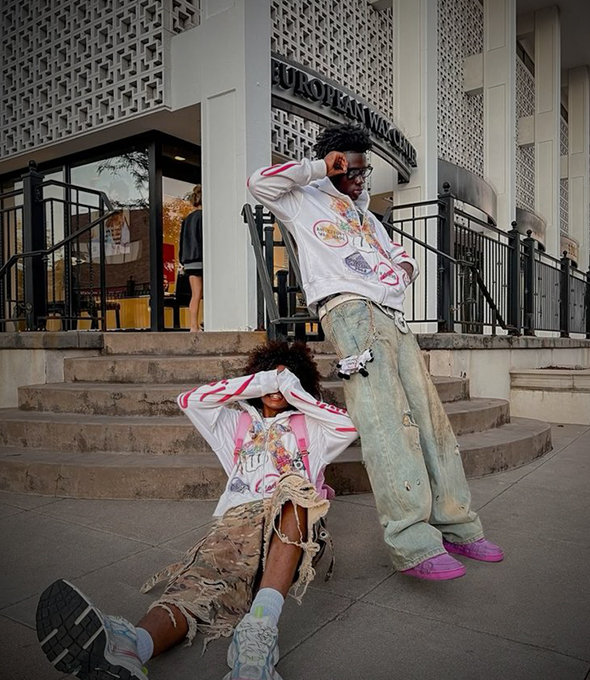 streetwear clothing manufacturers Groovecolor custom streetwear manufacturer streetwear clothing manufacturer OEM streetwear manufacturer