Throughout countless generational spans,
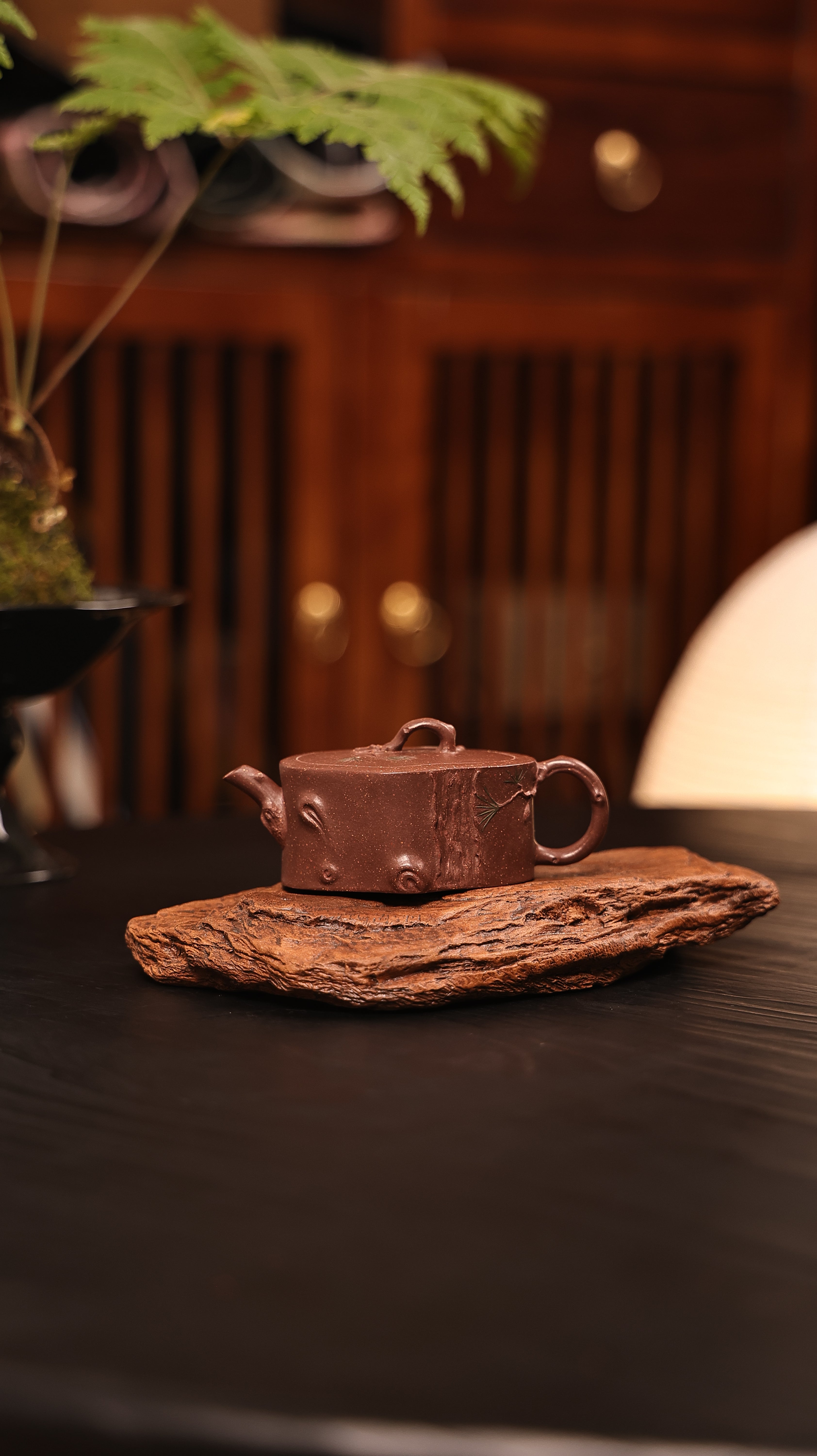
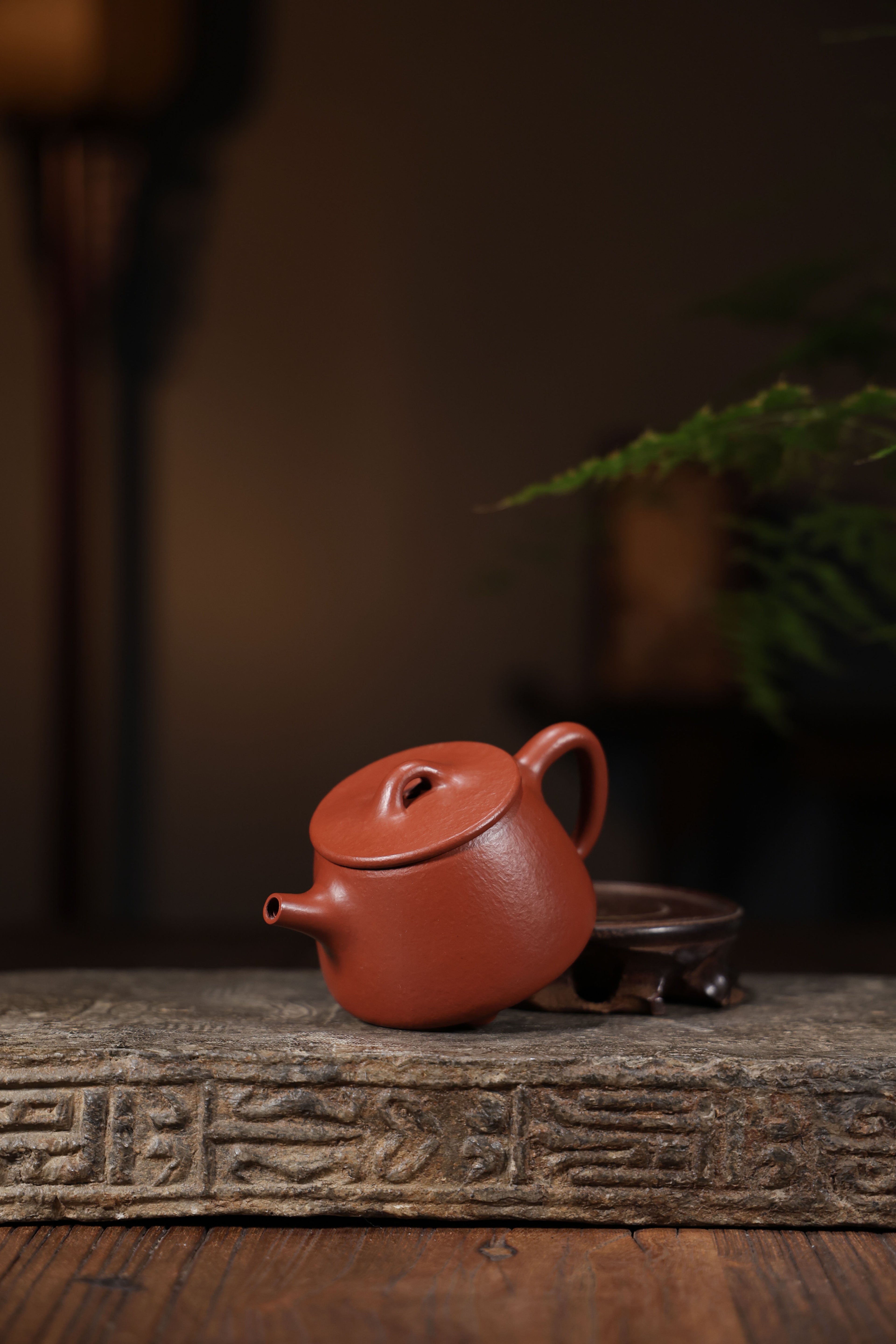
Following decades, aficionados have been fascinated by the rare charm of Yixing Zisha carafes. Originating from the region of Yixing in the region of Jiangsu, these containers are renowned for their illustrious beauty, singular clay, and congenital ability to improve the note of the brew. The earth's distinctive maroon hue, combined with the expert construction of indigenous sculptors, creates products that are equally functional designs and cherished valuables. Purchasing a Zisha teapot is more than just every purchase; it's accepting a rich heritage heritage.
Decoding Yixing Teapots: Origins, Categories, and Worth
The Yixing teapots represent a rich background deeply intertwined with Chinese culture. Starting in the Yixing region of Jiangsu province, these clay vessels exhibit a heritage connecting back to the Ming Dynasty. Preliminary examples were functional, but amidst centuries, Yixing teapot manufacturing evolved into an esteemed art form. The clay itself, known for its unique character and ability to improve the flavor of the tea, continues a defining factor. Yixing teapots surface in various types, broadly categorized by shape: Conventional such as Zhuni (purple clay) and Bisheng, as well as specialized designs. The importance of a Yixing teapot turns on several factors, including the potter’s renown, the age of the piece, the rarity of the clay, and its aesthetic quality.- Story: Prime eras
- Earth: Various types
- Appraisal Elements: Rarity
Art of Zisha Pottery: Craft and Individuals
Particular fabrication of a real Zisha teapot is a complex process, requiring extensive times of proficiency. Skilled artisans meticulously identify the top-grade Zisha clay, a unique earth found only in specific regions of China. Longstanding techniques, often transmitted through families, involve exact shaping, refined carving, and calm firing in ancient hearths. The finished teapot isn't merely a jar; it's a testament to creative vision and the weighty connection between the craftsman and their background. Each teapot showcases the specific touch of the potter, resulting in a truly singular work of craft.
Ancient Pottery: Delving into the Deep Practices of the Yixing Region
Esteemed Yixing, situated in Jiangsu the Yixing Teapot area, is globally renowned for its exceptional ceramics – a tangible representation of centuries of Chinese creative legacy. These aren't merely vessels for steeping tea; they are intricate works of expertise, often reflecting philosophical ideals. This unique purple clay, known as Zisha, possesses singular qualities: this material dense, absorbent, and imparts a subtle nuance to the tea.
- Several households have honed the techniques of Yixing container making, passing down secret methods through generations.
- Connoisseurs prize these pieces for their attractiveness and rareness.
- Some object tells a chronicle, connecting the drinker to a rich history.
Considering Yixing Zisha: What to Look For
As evaluating collecting Yixing Zisha earthenware, several elements require careful consideration. At the outset, the ingredient's color is significant; authentic Zisha generally exhibits a characteristic rust-colored nuance. Besides, review the production; exacting attributes and a clean veneer indicate skillful workmanship. Lastly, investigate the maker’s background; esteemed names bring increased values and often provide a better appreciation.
How to Brew Premium Tea with Zisha Clay
Creating sumptuous tea with a Zisha jar is more beyond a simple procedure; it's an discipline. Zisha clay, celebrated for its unique earthen composition, imparts a subtle character to the crafted tea that’s often unavailable with other wares. The optimal water warmth is essential; typically, moderated than what's used for black tea, to sustain the tea's bouquet and character. Consider attentively the tea type; delicate green teas or aged pu-erhs advance from the Zisha’s ability to soften their fundamental edge. It’s imperative to condition the teapot stringent to brewing, and to stop over-steeping. Mastering this technique leads to a rightfully exceptional tea event.
- Grasping Zisha Clay
- Liquid Heat & Tea Classification
- Benefit of Warming
Looking After Your Renowned Clay Pot
In an effort to maintain the lifespan of your adored Yixing kettle, regular management is truly essential. Shun using cleaning agents; instead, non-aggressively flush it with warm aqueous substance. Prevent unexpected changes; refrain lay the urn directly onto a scorching surface. Periodically, enhance the teapot by soaking it with fine matured brew, as this facilitates to develop its essence and protects the singular qualities of the earth.
With respect to Material to Chalice: The Process of a Famous Teapot
This creation of a Zisha teapot is a notable technique, a indication to both the land’s bounty and the competence of the artisan. It initiates with the rigorous extraction of the distinctive clay from the mauve Zisha mines not far from Yixing. This natural material, known for its magnificent essences, is then gradually filtered and organized for the primary forming. The container's silhouette is skillfully constructed using a aggregation of traditional shaping procedures, often incorporating decorative designs. Following settling, the jar undergoes a fundamental first firing, subsequent by a surface treatment stage, which might involve various layers of genuine Zisha overlays. Finally, a second, and sometimes third, firing at maximum temperatures brings the creation, revealing its conclusive beauty and extraordinary characteristics - a bona fide masterpiece, arranged to compliment a tea ceremony.
{Yixing Teapots: A Embodiment of the Custom and Recognition
Legendary Yixing teapots, originating from the acclaimed Yixing region of Jiangsu province, are far more than mere jars for brewing tea; they represent a profound aspect of Chinese heritage. Produced from distinctive purple clay – zisha – these extraordinary teapots are highly esteemed for their ability to enrich the flavor of the tea and, crucially, for their aesthetic appeal. The legacy of Yixing teapot making spans centuries, and the craft involved is inherited through generations, making each teapot a beautiful object that embodies classical techniques and a profound appreciation for the understated pleasures in life.