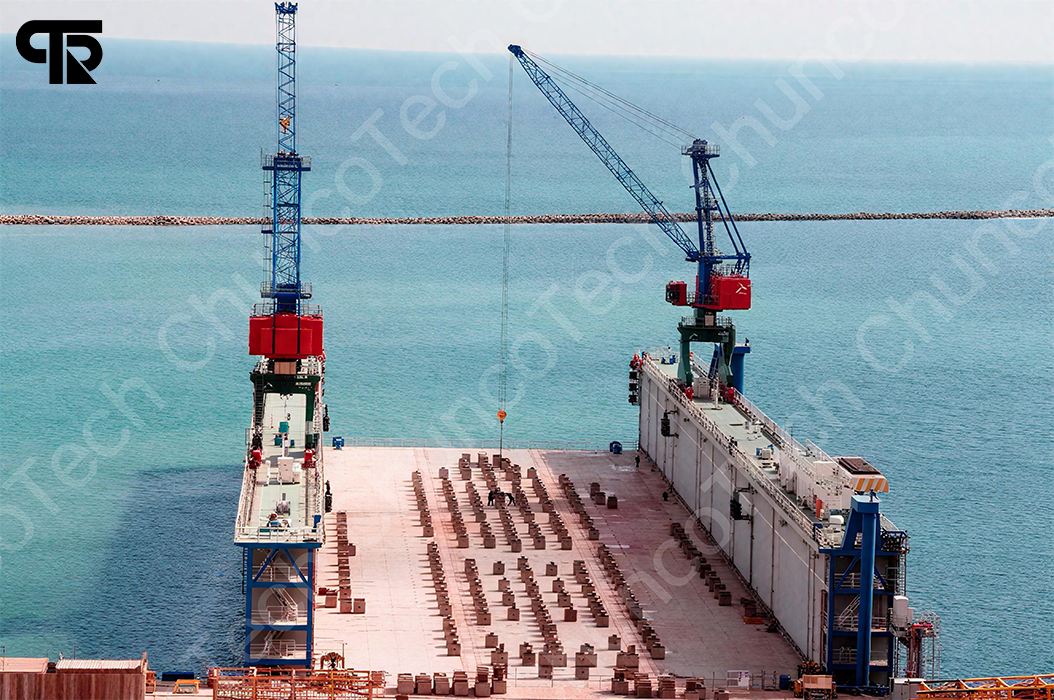
Settling on a jib, the choice often focuses on jointed crane versus direct arm. Linear arms supply ease of use and are appropriate for vertical lifts, but segmented lifts provide greater maneuverability, authorizing access to challenging spaces. Reflect on the field site; if you’re primarily facing barriers or seek more multifaceted positioning, a pivoting lift is usually the prime option. However, for open areas and standard lifts, a extendable jib might act as a superior economical choice.
Mastering Tough Craning Arm Cranes: Functions and Perks
Solid boom devices represent a distinctive type of loading equipment, fashioned for considerable load movement in demanding locations. Their chief trait is a unbending crane arm makeup, which grants for definitive positioning and augmented poise, especially when conducting in small spaces or at weighty heights. Common exercises entail bridge creation, commercial initiatives, breeze plantation fitting, and facility expansion. The essential perks involve increased defense, greater productivity, and the capacity to complete tasks that shall be hopeless with usual devices. This equates to decreased expenses and improved mission achievements.
Ship-to-Shore Gantry: The Giants of Jetty Container Transfer
Current gigantic STS lifting devices represent the apex of engineering attainment in the seafaring industry. Designed to reliably load and unload containers between liners and the wharf, they are crucial for the smooth operation of modern wharves. Their elevation – often exceeding a century feet – and amazing capability allow them to handle the biggest container freighters currently in deployment, fundamentally influencing global industry.
Knuckle Boom Cranes: Variability in Hoisting Endeavors
Knuckle boom equipment are celebrated for their exceptional flexibility, providing technicians with a exclusive advantage in multifarious heaving tasks. Boasting a folding boom fragment, these sturdy apparatus can maximize around obstacles and deposit loads in cramped spaces. This trait makes them ideal for implementations in construction, shipping, utility tasks, and abundant other areas. Overall, knuckle boom devices offer a noteworthy answer to hard raising conditions.
Straight Boom Cranes: Precision and Security Defined
Linear jib arm cranes are famous for their superior capacity to deliver meticulous lifting and arrangement of materials. Contrary to extendable models, their straightforward design creates congenital stability, making them fitting for operations requiring elevated measures of management and slight wobble. This trait is specifically crucial in manufacturing sites and industries where demanding tolerances are imperative.
Tough Hoisting Crane Advantages: As Firmness Is Concerned
Usual craning arm cranes often face challenges with bending, especially when carrying weighty burdens or executing at ample ranges. However, stiff arm systems deliver a marked upper hand by limiting adverse trembling. This heightened solidity equates to secure executions, boosted meticulousness, and a diminished danger of burden imbalance. Ultimately, robust equipment are recommended for operations where technical stability is indispensable.
Portside Cranes: Certain Extensive Review into STS Mechanisms
Such harborside gantry technology represents a critical component pertaining to modern packaging depots. Current STS cranes are elaborate arrangements crafted to effectively unload crates off of enormous container transports near coastal vehicles. All activity entails accuracy making and coordinated systems to sustain welfare and improve throughput.
Measuring Crane Classes: Pivoting, Telescopic, Robust, and Harbor
Choosing the fitting hoist for a specific assignment is essential. While many variations exist, four typical types – pivoting cranes, telescopic cranes, strong cranes, and ship-to-shore cranes – symbolize significantly unique facets. Jointed cranes present outstanding maneuverability due to their angled segment, making them advantageous for limited localities. Rigid cranes yield adaptable distance through their retractable component, best for comprehensive lifting necessities. Tough cranes keep a plumb boom, perfect for explicit positioning where security is paramount. Finally, Quay cranes, created expressly for cargo management at jettys, incorporate substantial loading power and prolonged coverage.
- Knuckle Hoisting Categories
- Direct Lifting Models
- Strong Apparatus Varieties
- Dockside Handler Classes
A Advancement Related to STS Cranes: Patterns and Innovations
In recent eras, STS (Ship-to-Shore) crane framework has undergone a pronounced transformation, spurred by requirements for boosted port effectiveness. Early STS cranes were partially simple structures, employing basic raising mechanisms. Now, present-day STS cranes possess sophisticated system, including innovative control systems, flexible positioning characteristics, and enhanced safety protocols. A key direction is the implementation of fully electric propulsion, decreasing carbon footprint and increasing operational durability. As well, the rise growing prevalence self-driving operation and algorithmic maintenance are modifying the field related to STS crane application. The forecast sees enduring concentration on fuel optimization and the creation of even taller cranes to accommodate constantly bigger container boats.
Ship Loader